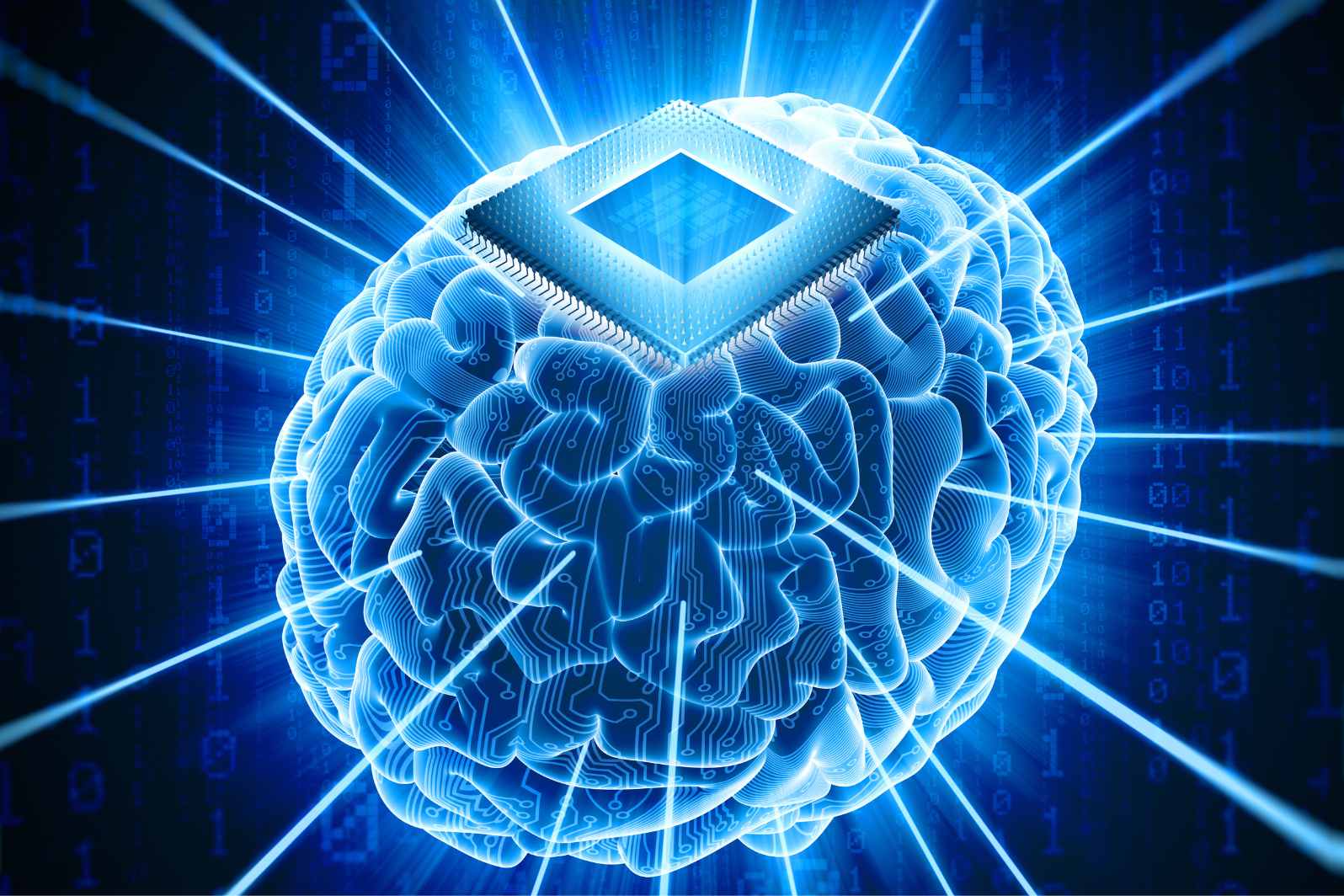
Technology is evolving every day. Our gadgets are getting faster, smaller and smarter. But in creating machines that can think and learn like humans, researchers are moving toward a new way of processing that has little to do with traditional digital computing. That’s where neuromorphic computing comes in. It is a novel method of designing chips that can operate like the human brain.
What is Neuromorphic Computing?
Neuromorphic computing refers to a design that mimics the human brain. In a typical computer, the data is processed one at a time by the CPU. But in the brain, there are billions of neurons communicating all at once. Neuromorphic chips attempt to mimic this concept. They process information in parallel using minuscule units called artificial neurons and synapses.
This configuration enables these chips to think and learn more efficiently, in a similar way as our brain. They are not only fast, but consume much less power than standard processors.
How Does It Work?
In a neuromorphic setup, for instance, artificial neurons send signals to one another as brain cells do. The strenghts of these connections are also altered during learning, just like humans get better at a skill with practice. That is, the system can learn and adapt to new situations without having to be reprogrammed time and again.
For instance, if a neuromorphic chip is trained to recognize voices, it can get better over time as it hears different accents and tones.
Benefits of Neuromorphic Chips
1. Low Power Consumption – They require much less power than conventional processors. It’s helpful for mobile and wearables too.
2. Rapid Learning – These chips can learn from a few examples.
3. Real-Time Processing – They can process information in real time, which is useful for robots and self-driving cars.
4. Smarter AI – Neuromorphic systems have the potential to make AIs think and decide more like humans.
Applications of Neuromorphic Computing
Neuromorphic chips are early in development, but hold enormous promise. Some key uses include:
- Smartphones: Think phones with moods or prescience – without leaving the battery dead.
- Healthcare Devices: Wearables that can monitor your health data and offer real-time advice.
- Robotics: Robots that learn new surroundings without requiring constant programming.
- Self-Driving Cars: Automobiles that can respond to road conditions and learn to operate more safely.
- Security Systems: More intelligent cameras that can recognize anomalies at the moment they occur and alert authorities.
Challenges in Neuromorphic Computing
Despite the promise of future growth, there are hurdles. Creating chips that truly replicate the brain is not easy work. Technology has not progressed to the point of reaching human level intelligence. And writing software for these chips is a huge undertaking as well.
Spurred on by these mysteries, scientists all over the world are working to solve them. Big tech companies such as Intel and IBM are already experimenting with neuromorphic chips, and the pace of development is brisk.
The Future of Smarter Devices
Neuromorphic computing could revolutionize the way we use technology. Instead of machines that simply take our orders we may have devices that learn how to serve us, adapt and think for themselves. That could result in smarter assistants, more sophisticated health care tools and safer forms of transportation.
It will be a while yet, but one day neuromorphic computing might lead us to machines that can think like people.
FAQs:
Q1. What are the primary focuses of neuromorphic computing?
It is an attempt at creating chips that can operation more like the human brain, leading to faster, smarter devices that need less energy.
Q2. What is neuromorphic computing and how is it different from AI?
AI relies on conventional processors, while so called neuromorphic computing makes use of chips that are brain-inspired and can process and learn in a more intuitive manner.
Q3. Where can neuromorphic chips be applied?
They could be integrated into smartphones, robots, medical gadgets, self-driving vehicles and security systems.
Q4. Are there any neuromorphic chips in the market.
Some experimental versions are being developed, such as Intel’s Loihi chip, but there is not yet mass distribution to consumers.
Q5. What are the main challenges?
The big obstacles are making the hardware to match the brain’s complexity and creating software that can run on these chips.