Technology is changing the way we live, work and prepare for the future. One of the most recent developments are digital twins. A digital twin is a computerized model of a real-world object, system or process. It enables us to predict, monitor and enhance performance before making the changes in real life.
Digital twins are no longer confined to just aerospace or automotive industry. Today they are emerging as an important tool in urban planning and manufacturing, where the goal is not just to make things faster or cheaper, but also smarter.
What is a Digital Twin?
A digital twin is simply a virtual counterpart of something in the physical world, however you define it. It employs sensors, real-time information and software to demonstrate how that object or system works. (In this passage on digital twins, we infer that a city could create one for its transit system to visualize traffic flow and try out new routes before implementing them in real life.
Digital Twins in Urban Planning
Cities are growing fast. Managing resources, cutting back on traffic and keeping people safe are daunting tasks. Here is where digital twins can assist city planners.
1. Traffic Management
A digital twin of the road network of a city can forecast traffic jams, test new signals or even plan smart public transport routes.
2. Smart Infrastructure
Planners can take those designs for bridges, metros or housing projects for a test drive in the digital world before they are ever built. This is both risk reducing and cost saving.
3. Disaster Preparedness
Digital twins can allow cities to simulate floods, earthquakes or other emergencies. This can be used to prepare better safety plans.
4. Sustainability Goals
Planners could track energy use, waste and carbon emissions in real time, developing eco-friendly strategies.
Digital Twins in Manufacturing
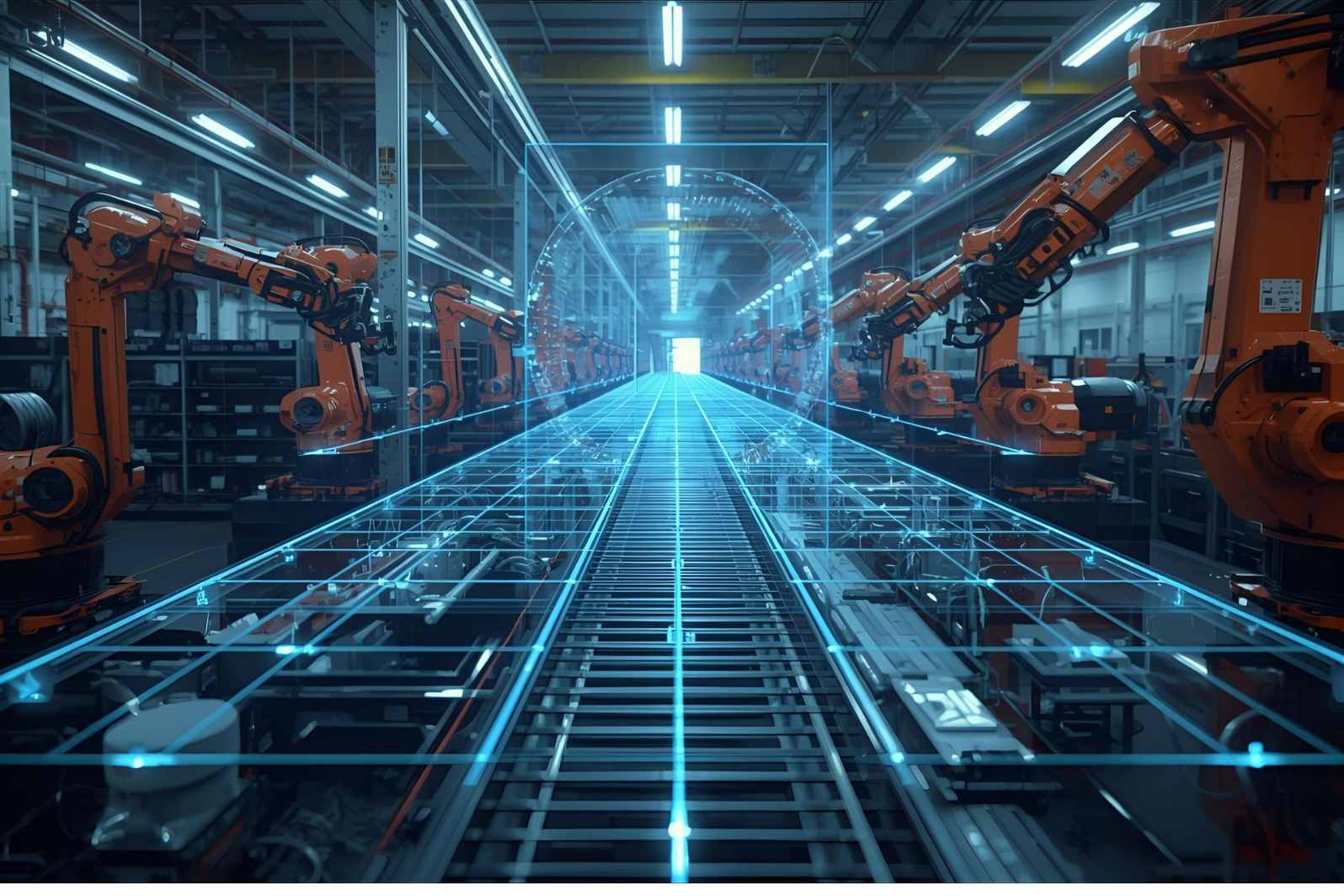
Work rooms are using “huddles” to improve their functioning, and to make production smoother and cheaper factories work with digital twins.
1. Product Design
Before they build a new car or machine, companies create a digital twin to test its performance. This reduces error and improves quality.
2. Predictive Maintenance
Machines with sensors transmit data in real time. Their digital twins can anticipate when a part will fail, and work on the replacement before it breaks down.
3. Process Optimisation
Testing out various approaches in the virtual world means that manufacturers can figure out how to make more stuff, with less waste.
4. Training and Safety
Workers can learn to operate digital twins of machines rather than going near real ones, making training both safer and faster.
Benefits of Digital Twins
- Saves time and money
- Risk Mitigation in Planning and Operations
- Improves efficiency and productivity
- Supports sustainability and green initiatives
- Enhances decision-making with real data
Challenges to Overcome
Like any tech tool, digital twins come with their own set of obstacles. They’re expensive to acquire, with significant data needs, heavy cybersecurity and high investment. And economically there is a need for skilled personnel to operate them. But with increasing use, these problems are gradually being addressed.
The Future of Digital Twins
Optimism abounds for digital twins. And as 5G and artificial intelligence grow more powerful, digital twins will continue to get smarter still. Whole smart cities and even fully automated factories could soon be controlled through their digital twins in the next few years.
FAQs:
Q1. What is the goal of a Digital Twin?
The primary goal is to build a cyber representation of a system, as in reality, to experiment, observe and enhance its performance.
Q2. What are the role of digital twins in urban planning?
They assist in traffic simulation, infrastructure planning, disaster responses and monitoring sustainability goals.
Q3. How costly is it to develop digital twins?
Yes, they take an investment in data, sensors and software. But the long-term savings are many times greater.
Q4. What are the applications of digital twins for manufacturers?
Manufacturers employ them for product testing, predictive maintenance, training and process improvement.
Q5. What does the future hold for digital twins?
They will grow smarter with the help of AI and IoT, and manage smart cities and industries.