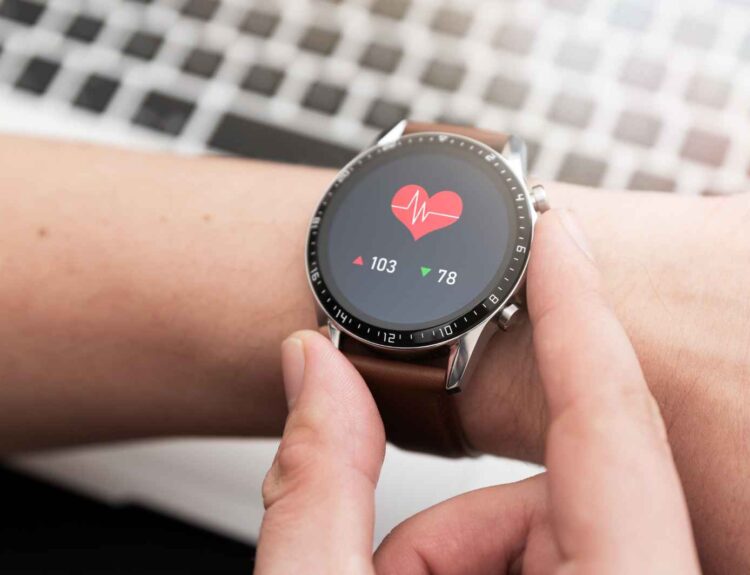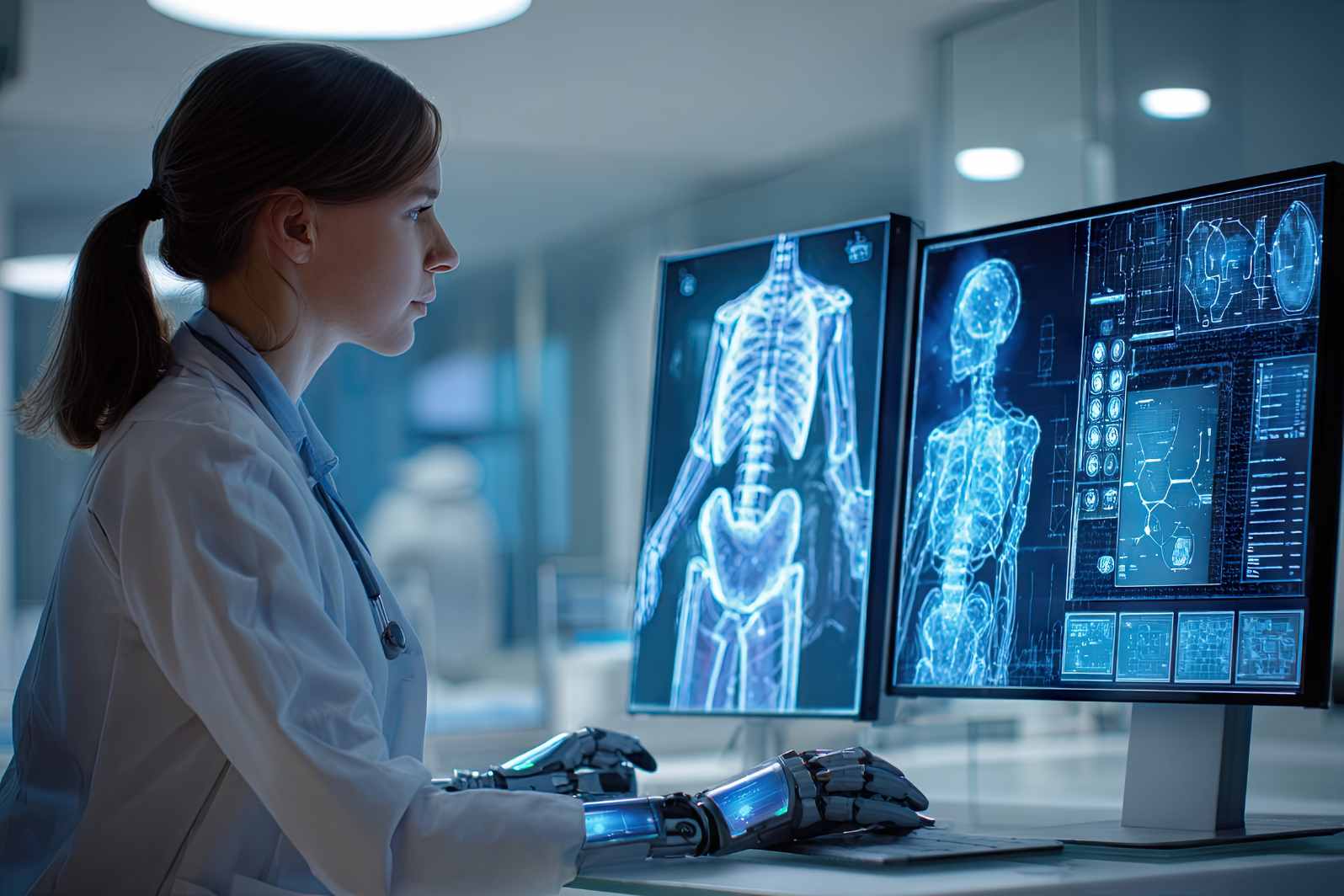
Healthcare has long revolved around keeping patients safe, in the hospital, urgent care or even at home. Wearable devices like smartwatches and fitness bands have over the years helped people monitor their health. But wearables do have one flaw: Patients must wear them all day and night, which is not always comfortable or feasible. This is where ambient intelligence enters the picture. It is the first of its kind, providing real-time patient safety without wearing a wearable device.
What is Ambient Intelligence?
Ambient intelligence, or AmI for short, is a combination of sensors, cameras and machine learning that goes unnoticed as it does the heavy lifting. It watches the environment, it finds anomalies and it helps doctors or caregivers react rapidly. It doesn’t depend on patients to wear or carry anything like wearables do. The system itself becomes “smart” and adapts to what the patient needs.
How It Works in Healthcare
Ambient intelligence, as it is called, combines smart sensors with computer vision and machine learning in an attempt to observe and track movement, sounds and even health signs. Here’s how it helps:
- Fall Detection: The system detects if a patient has fallen and notify the staff on time.
- Crucial Monitoring: Sensors can also monitor breathing, heart rate and sleep patterns without coming in contact with the patient.
- Behavior Analysis: It observes abnormal activities, such as a patient attempting to exit bed in an unsafe manner.
- Emergency Alerts: Real-time Caregivers receive alerts while decreasing response time.
Why It Matters for Patient Safety
Safety for a lot of patients, especially elderly and those in I.C.U.s., has hinged on fast responses. Wearables, however, have their own issues from low battery and discomfort to patients forgetting to put them on. Ambient intelligence removes these barriers. Continuous surveillance is a guarantee, it will enhance confidence and eliminate risks.
The Advantages of Ambient Intelligence in Hospitals
1. Not Wearing or Carrying Monitoring Devices: Patients don’t have to use wearables or carry devices while using the system.
2. Round-the-Clock Care: Sensors are in action 24 hours a day, with no breaks.
3. Less Stress for Patients: They are free and comfortable without prostheses.
4. Better Decision Making: Doctors receive real-time information on which to base treatment.
5. Cost Savings: If falls is prevented, we would reduce hospital costs.
At-Home Patient Safety
It’s not just like for hospitals, ambient intelligence. It also helps patients at home, particularly older people who live alone. For example:
- Intelligent cameras monitor movements to keep to a daily routine.
- AI can detect emergencies such as breathing trouble or sudden immobility.
- Family members receive real-time notifications, so you can all breathe easier.
Challenges to Overcome
But there are also challenges with this technology:
- Privacy Issues: Records more data with continuous monitoring, and big data–security concerns.
- Setup Costs: Installation of sensors and AI systems can be costly.
- Accurateness: the system must not issue false alarm to make trust.
Ambient Intelligence in the Future of Patient Safety
The future looks promising. Smarter AI and less costly sensors could lead to ambient intelligence being adopted widely in healthcare. It will enable risk-free, natural care in hospitals and homes with no wearables. With advancing technology, patient safety will be more proactive, predictive and personalised.
FAQs:
Q1. Wearables vs ambient intelligence, what’s the difference?
Wearables require patients to don accessories such as watches or bands. “Ambient intelligence” deploys sensors and AI in the environment, so the patient doesn’t have to carry anything.
Q2. Is ambient intelligence secure enough for patient privacy?
Yes, but hospitals and caregivers need to employ robust privacy measures. Privacy — Data must be safely stored to ensure privacy.
Q3. Will ambient intelligence replace nurses and doctors?
No, it cannot replace them. It can help doctors and nurses by providing real-time alerts and information, allowing them to act faster.
Q4. Can some of this technology be used by India?
Yes, some hospitals in India are experimenting with ambient intelligence for patient monitoring and there are technology startups who have industrialized this. But widespread use will take time.
Q5. Will it also work at home for older individuals?
Yes, it can also be a great help for home elderly care. Parents can receive alerts if anything untoward occurs.