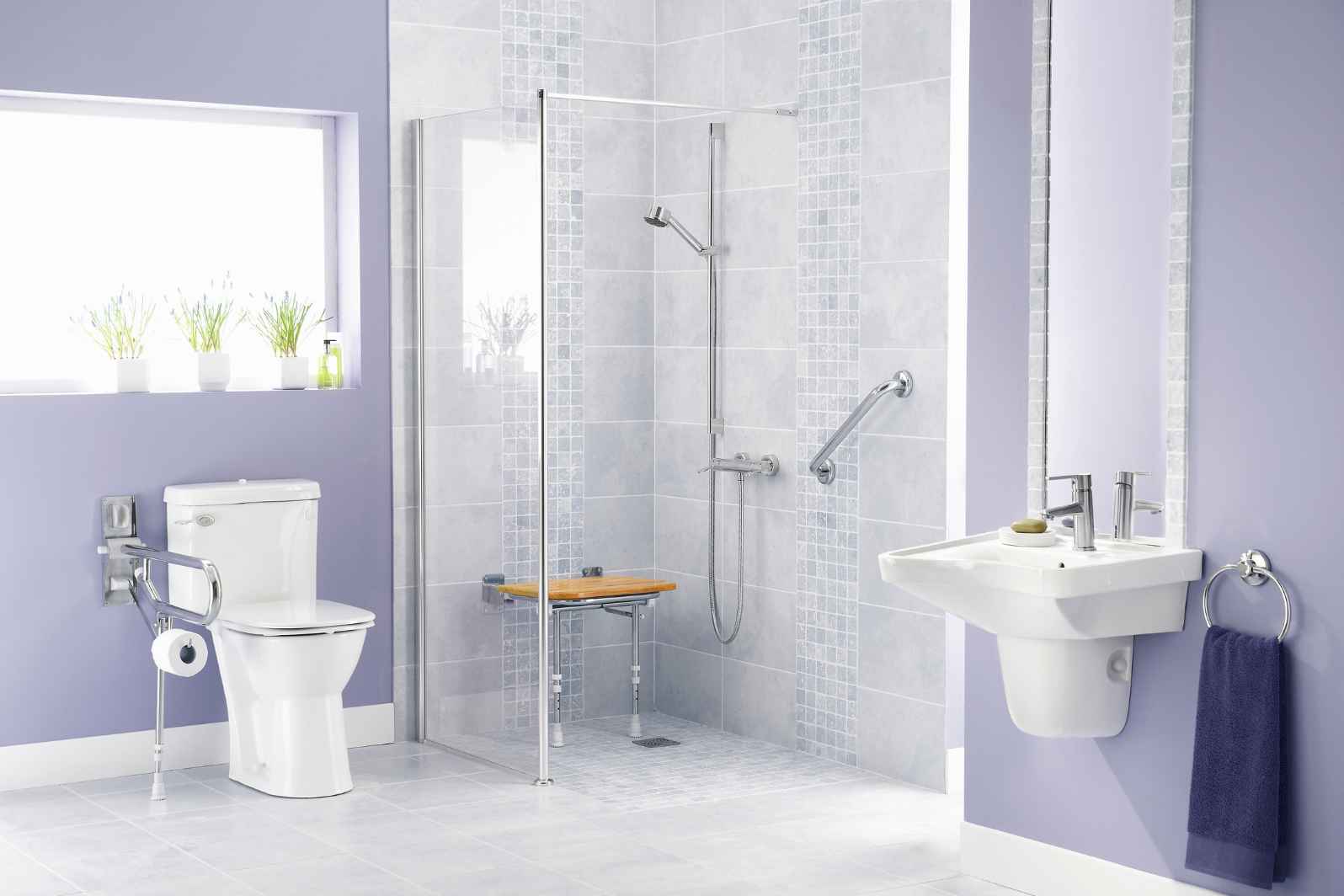
The bathroom isn’t just about comfort and style any more. In 2025, they’re turning into places that conserve water, energy and cash. Now that smart faucets and eco-friendly everything are en vogue, the average home is becoming more sustainable without sacrificing pretty. We’re going to take a look at ways in which these advancements are shaping up the bathrooms of future ahead.
Smart Faucets: Technology Meets Sustainability
Smart faucets are among the top trends in eco-friendly living. These types of devices operate by means of water sensors. There’s no need to touch the tap; just put your hands underneath it and water starts running.
- Water savings: Smart faucets could reduce water waste by up to 60%. They let out water only when they have to.
- Temperature control: Several models allow you to set the water temperature, which can conserve energy.
- Hygiene boost: Hands-free models minimize germs and make restrooms safer.
And in 2025, even smart faucets have their own A.I. built in. They monitor your water use and provide insights that can help you cut consumption. Some even sync with mobile apps so you can track your household’s consumption in real time.
Eco-Friendly Toilets
Toilets use up a good portion of the water used in homes. With today’s eco toilet s, double flush types are used. This means that it is possible to use less water for liquid wastage and more for solid waste.
Some high-end editions in 2025 take it a step further. There is a sink with both hot and cold water above, which we use to wash our hands, and they recycle the greywater from the sinks and showers by using it for flushing. This drives down water bills and lessens strain on local water systems.
Low-Flow Showers with High Comfort
A lot of folks assume eco showers are simply lower pressure. But in 2025, low-flow showerheads are to offer strong pressure with less water.
- Air-infused showers: Combine air and water for a powerful feeling with higher efficiency.
- Smart controls: Time your shower or monitor your water use through apps on your smartphone.
- Eco modes: toggle between higher and lower flowing to find your perfect solution.
These are water, and electricity saving upgrades (especially in combination with solar water heating!).
Sustainable Bathroom Materials
Sustainable bathrooms aren’t all fixtures. The material you use makes a difference too. In 2025, we witness growing use of the:
- Reclaim or recycled glass and Ceramic tiles.
- Renewable, stylish bamboo cabinets.
- Waterproof paints that are low in VOCs, and promote air quality.
Sustainable materials Not only does your bathroom look up to date, it’s environmentally friendly.
Smart Water Monitoring Systems
The use of water monitoring gadgets in eco bathrooms is fast becoming the norm. They hook up to your faucets, showers and toilets. They can also find leaks immediately, monitor your daily use so closely that they even alert you when your household water consumption climbs too quickly.
This is a waste-reducing feature that also guards against large bills due to unnoticed leaks.
Energy-Efficient Heating and Lighting
Contemporary eco bathrooms are also designed around the limited usage of energy. By 2025, more households are transitioning to:
- LED bath lights with motion sensors.
- Heated floors in the kitchen & laundry room (served by energy efficient systems too).
- Smart mirrors with built-in lights that turn off when not in use.
These are the solutions that make your bathroom a cosy, light and sustainable place.
The Future of Eco Bathrooms
The 2025 bathroom is a smart, sustainable and stylish room. From touchless faucets to reclaimed materials, no detail is too small when it comes to cutting waste and preserving resources. Considering people’s such a huge awareness for environmental preservation, these are the solutions that are not only trends but the basic necessity for new age homes.
FAQs:
Q1: Smart faucets save so much water or not?
Smart faucets can reduce water waste by as much as 60%, yes, by operating when it needs to.
Q2: Are eco-friendly toilets expensive?
They’re more expensive to install, but they’ll save you money on water bills over the long run.
Q3: Are low-flow showers less comfortable?
No, newer models offer high pressure while using less water.
Q4: Do smart bathrooms run without Wi-Fi?
Core features, such as touchless faucets and dual-flush toilets, operate without a Wi-Fi connection (monitoring apps do not).
Q5: Are eco bathroom updates worth it?
Yes, they’re a money saver, waste reducer and home value booster.