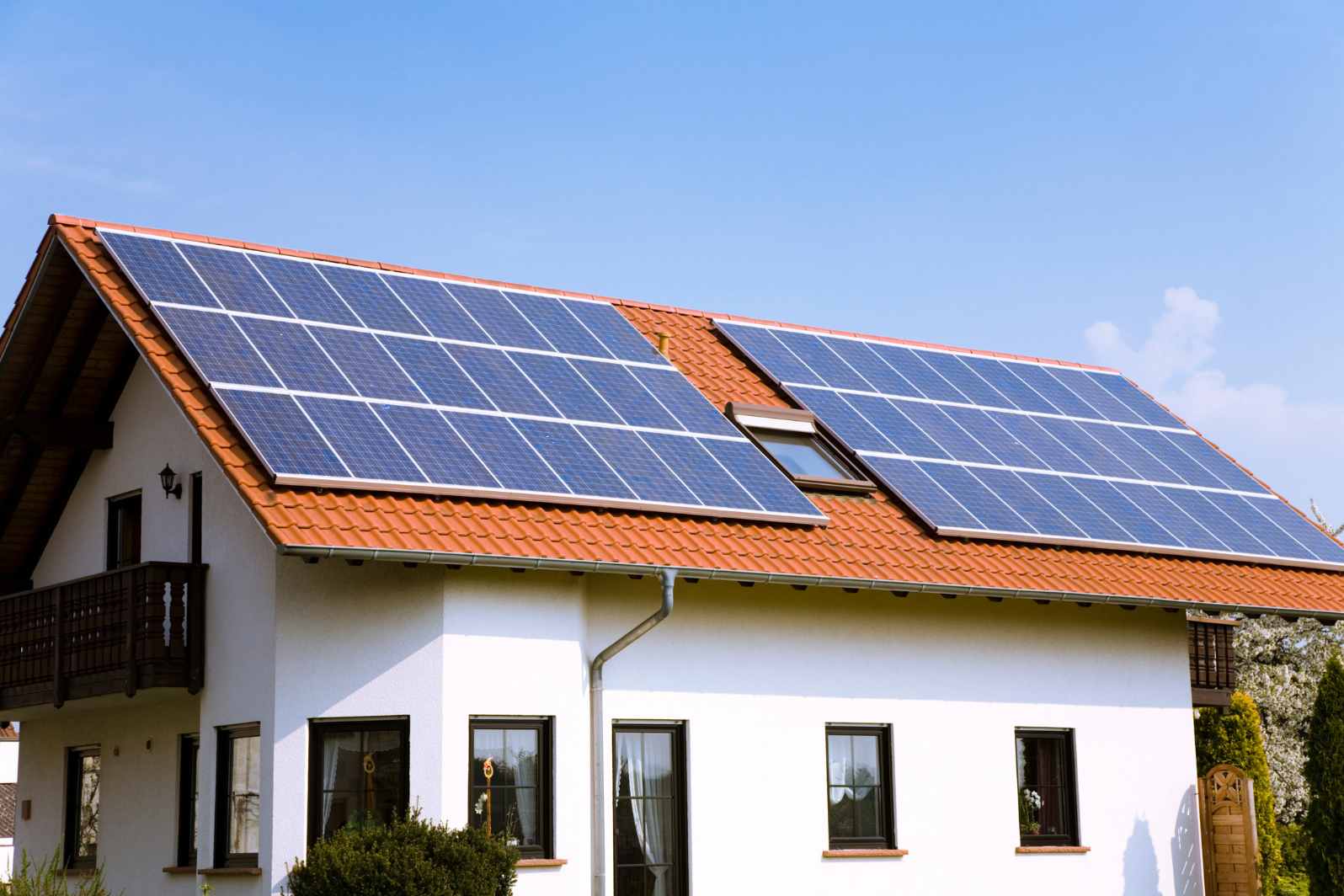
With cities expanding, people are seeking financial and environmental savings. One of the greatest ways to do this is by purchasing solar homes. The electricity bill certainly drops when solar gets put on a city home, but it’s also the renewable energy that attracts buyers to purchasing city property.
Why Solar Companies in Cities are Booming
High power consumption is commonly associated with city life. Whether from air conditioning or electric appliances, the power demand is limitless. Increasing energy costs have spurred many urban homeowners to consider solar power. Beyond the savings, people also view it as a way to lower their carbon footprint.
Governments in India and elsewhere are also promoting the take up of solar. They offer financial incentives, such as subsidies and tax breaks, to install rooftop solar systems. This makes it easier for homeowners to typically recoup their investment faster.
The Return on Investment (ROI) of Solar Homes
One of the first things people wonder is: “Is solar worth the cost?” The answer is yes. Solar panels company quite expensive in the beginning, but there is a good return on investment.
- Reduced Electricity Bills: You can save 70-90% of monthly electricity costs by using a solar system. And for city households with high usage, that means big savings each year.
- Payback Period: It takes 4–7 years for most solar systems to pay themselves off. After that, homeowners benefit from nearly free power for another 15–20 years.
- Government Incentives: You get subsidies, tax credits and net metering policies to enhance the ROI.
In the long run, when you weigh that initial investment verses incentive payments, solar homes are a smart financial decision.
How Solar Increases Property Values Over the Long Term
Solar homes are no longer viewed as merely “eco-friendly houses.” Today, they are highly sought after in the real estate industry.
- Increased Property Value: Homebuyers want homes with solar panels because it equates to lower bills down the line. Research indicates that houses with solar systems are often sold faster, and at higher prices.
- Appeal of Sustainable Living: Millennial buyers and working professionals in urban cities appreciate green homes. Solar offers a contemporary, future looking image to a property.
- Energy Independence: Together with battery storage, solar helps homeowners to become less dependent on the grid. This comes in handy during load-shedding, which happens frequently in most of the urban areas.
A home powered with solar energy is an investment not just in saving on electricity, but in the actual value of the home.
The Challenges of Solar in Urban Properties
Solar homes are fantastic, but not without their issues.
- Space Restrictions: Rooftops in urban areas can be tight for systems with large footprints.
- Expensive to Get Started: The initial expense can be difficult for some families to swallow even with the help of subsidies.
- Maintenance: Solar panels have to be kept clean in dirty city air to operate productively.
But advances in technology, and declining solar costs, are making these problems more manageable.
The Next Solar Homes in Urban Real Estate
The need for sustainable housing will only continue to grow. Some real estate developers are already installing such solar features in new apartment complexes and luxury projects. Home buyers also regard solar homes as a wise way to prepare for the future.
With cities dealing with power blackouts and soaring electricity costs, solar homes will be the rule rather than the exception. For homeowners, that translates into more savings, greater property value and a cleaner environment.
FAQs:
Q1. How much does it cost to install solar panels on a city home?
The price varies depending on the size of the system. On the other, a 3KW rooftop power plant in India might run up to ₹1.5–2 lakh (minus subsidies), on average.
Q2. How long do solar panels live?
Solar panels typically have a lifespan of 20 to 25 years when they are well maintained.
Q3. Will solar panels generate power when it is raining or cloudy?
Yes, but it will be less efficient. Panels still product power when the sun is weak.
Q4. Is solar good for my home’s resale value?
Yes. Homes that come with solar systems are now a premium because new buyers are looking at long-term savings.
Q5. Can I power my entire house with solar panels?
Yes, provided that you have installed a sufficiently large system with backup batteries. But most homeowners in the city use a combination of the two – solar and grid power.