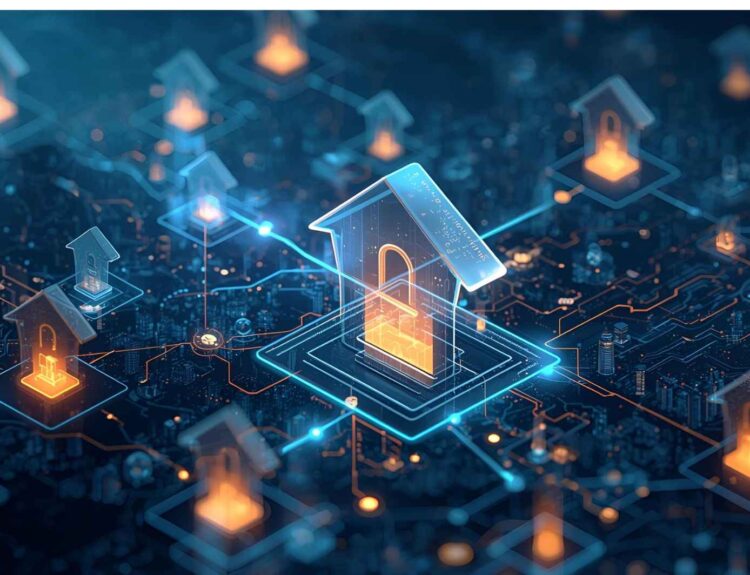
The world is getting faster, and so are our cities. With urbanization being at an all-time high, an increasing number of people living in cities and the growing necessity for sustainable living – smart city seems like a future for modern housing. These are cities that put innovation and technology to the service of improving infrastructure, avoiding waste and boosting life quality. This transformation is driven by the relationship between real estate and infrastructure. When cities get smarter, homes and communities become more efficient, safer and more valuable.
What is a Smart City?
A smart city is not just skyscrapers and wide roads. And it’s a nexus of technology, data and sustainable living. Smart cities are doing away with waste as they concentrate on energy conservation, clean water and efficient transport systems alongside modern infrastructure growth. They rely on data from sensors, networks and devices to plan and manage the city efficiently.
The Role of Infrastructure in Smart Urban Development
The infrastructure is what makes up the base of a smart city. Without paved roads, power grids, high-speed internet access or water systems, there was no smart development. Things like intelligent traffic management, renewable energy grids, digital payment systems and high-speed internet make life easier. This is conducive not only for its residents, but also to draw of businesses and job opportunities.
Where Housing Fits In a Smart City Model
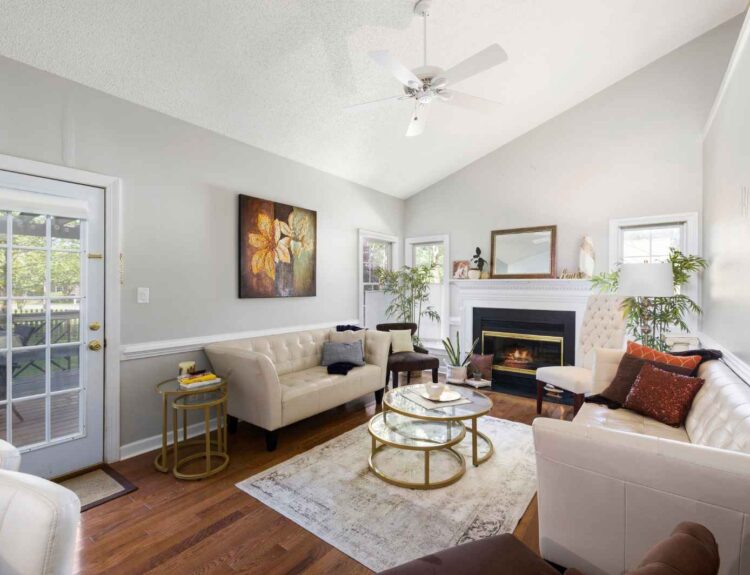
Real estate goes hand in glove with the expansion of smart cities. Edges of Home The housing in these suburbs is energy efficient, tech integrated and community oriented. Intelligent households get the benefit of full home automation for lights, security and appliances. A considerable number of today’s housing schemes are constructed (featuring) with environment friendly materials, what with rain water harvesting devices, solar panels, and green roofs.
The demand for these homes is increasing because markets want safe, connected and sustainable places to live. Real estate developers are collaborating with governments and urban planners to create housing suitable for tomorrow’s smart denizens.
The advantages of smart housing in a smart city
1. Energy Efficiency
Smart homes use automation and renewable energy to consume less power. This reduces electricity costs and promotes sustainable energy.
2. Improved Connectivity
It offers smart, connected living with high-speed internet and IoT (Internet of Things) devices that allow residents to manage their homes from anywhere. Lights, security and everything else is easier.
3. Sustainable Living
Green building plans, recycling modules and controlled pollution levels are some of the eco friendly ways in which residential living happens in smart cities. It makes for a healthier family setting.
4. Higher Property Value
Intelligent little homes in well-planned cities are premium investments. Buyers and investors love these because of better infrastructure, security and long term performance.
5. Better Quality of Life
Enhanced public transportation, safe homes, and digital services: Smart cities make life easier for their inhabitants. Families and communities are more comfortable, safe, and enriched.
Challenges in Smart Cities & Housing
Smart cities sound exciting, but they also face myriad challenges. Costs of technology, concerns about data privacy and uneven access to resources can be obstacles. It will also take the collaboration of governments, developers and technology providers to get smart housing affordable, and truly inclusive to all.
Next Up: The Smart City and Real Estate
Smart cities have a bright future ahead. Housing will become more efficient and adaptable with the help of AI, big data and sustainable technologies. Real estate will be further redefined by models such as co-living spaces, green communities and mixed-use developments. India is already developing smart cities like Pune, Surat and Bhubaneswar – an example of how infrastructure and real estate can change lives.
FAQs:
Q1. How can a city be described as smart?
A smart city leverages technology, data and sustainable best practices to deliver better infrastructure, services and quality of life for all citizens.
Q2. What ways does smart housing assist the residents?
Smart housing provides energy efficiencies, connectivity, security and sustainability which result in improving the way you live while lowering cost.
Q3. Are smart homes more expensive?
Smart homes are initially more expensive than traditional homes, bearing the higher cost of technology, but they can cost less over time; by using technology it allows for a decrease in energy usage and adds to resale value.
Q4. Can there be smart cities without smart homes?
No Housing is a fundamental part of smart cities.” Without intelligent housing, the potential of IT infrastructure cannot be exploited by inhabitants.
Q5. What are a few Indian cities that are headed for smart development?
India’s smart city projects include cities such as, Pune, Surat, Bhubaneswar, Ahmedabad and Jaipur.