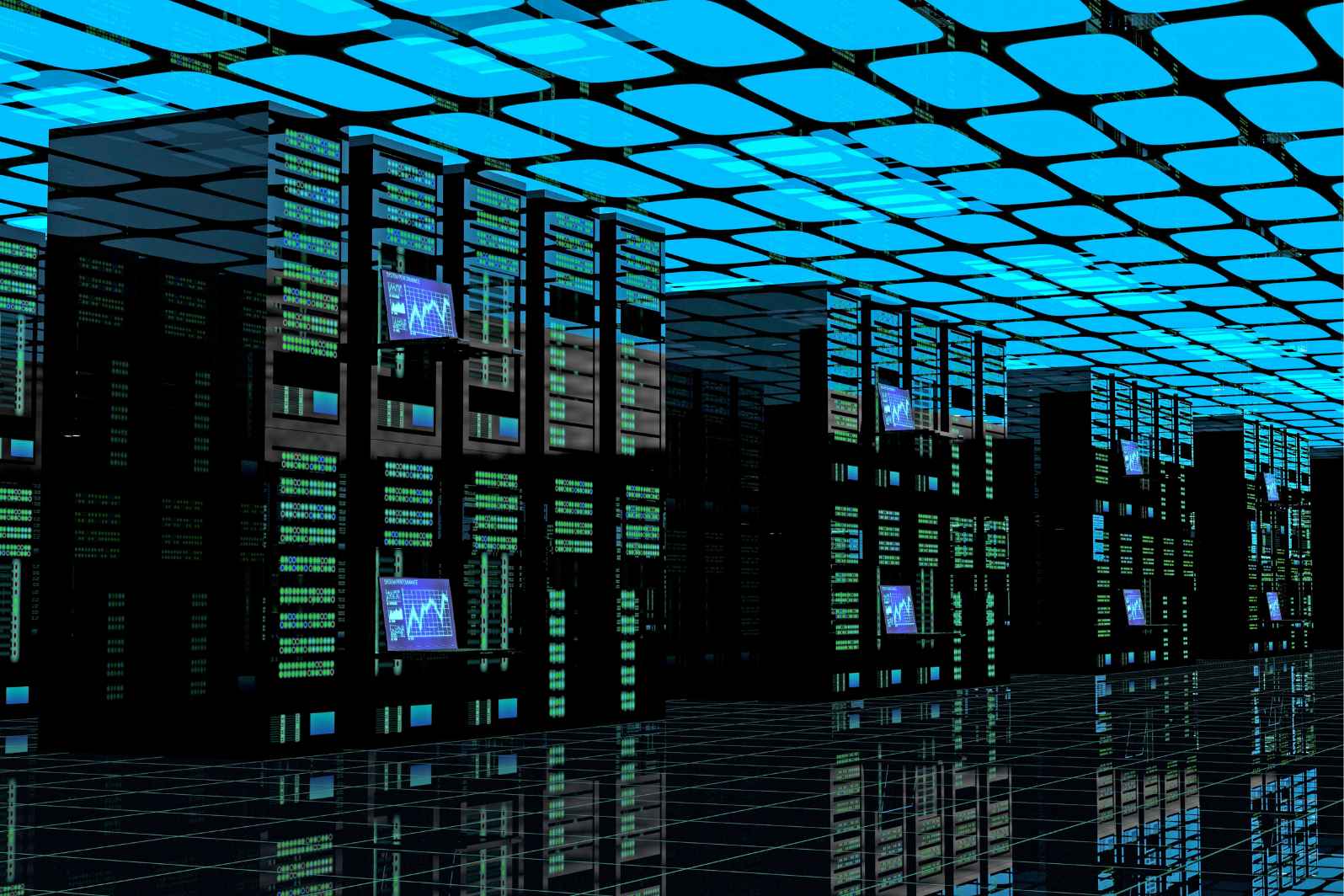
From the apps and sites you use every day, to the organizations whose services you rely on, technology underpins nearly everything about how we live and work in the 21st century – but the infrastructure that supports these services is rarefied. They warehouse, them and process immense volumes of data every second. The problem is that data centers are energy hogs, and they tend to emit a significant amount of carbon. With global concern growing over environmental issues, companies and governments are beginning to look at green data centers. These campuses work toward energy conservation, reduced carbon emissions, and green computing.
What Are Sustainable Data Centers?
Sustainable data centers are buildings built to ensure optimal use of energy and resources. They don’t depend solely on traditional power sources but tend to use renewable energy, such as solar or wind or hydropower. They employ advanced cooling techniques, and energy-efficient hardware components with smart technologies for waste reduction.
The aim is straightforward: to support the expanding digital world while preserving the planet.
Why Sustainable Data Centers Make Sense
The push for sustainable data centers is urgent. Old-fashioned data centers consume enormous amounts of electricity much of it produced by burning fossil fuels. This increases the operating cost and contributes to global warming. A single data center could use as much power as a small town.
In transitioning to green IT, businesses.OPTARG can:
- Lower operating costs
- Meet government regulations
- Improve brand reputation
- Reduce greenhouse gas emissions
Key Features of Sustainable Data Centers
1. Renewable Energy Usage
Green data centers are powered by clean energy. Solar panels, wind farms and hydropower plants are currently their main sources of energy.
2. Efficient Cooling Systems
Conventional cooling requires vast amounts of water and energy. Green data centers employ methods including liquid cooling, free-air cooling and AI-driven systems to save energy.
3. Virtualisation and Cloud Computing
Through virtualisation, it is possible for a single server to host several systems. This eliminates the requirement for additional hardware and lowers power consumption.
4. Energy-Efficient Equipment
Today’s servers, storage systems, and networking equipment are constructed with low-power components. They provide efficient high power output without wasting energy.
5. Recycling and Waste Reduction
The green centers recycle old units, safely dispose of e-waste and design systems for re-use. This helps reduce landfill waste.
Benefits of Sustainable Data Centers
1. Savings – Decreased energy usage translates into savings over the life of your purchase.
2. Environmental Benefit – Lower carbon footprints mean less contribution to climate change.
3. Compliance – Emissions regulations are rigorous in many countries. Such standards are greatly facilitated by green centers.
4. Scalability – If a system is sustainable, it should be able to grow and increase demand without throwing away resources.
5. Innovation – They encourage businesses to employ the newest green technologies.
Challenges in Building Sustainable Data Centers
- High Initial Investment – The construction of renewable generating infrastructure and advanced cooling equipment is costly.
- Technological Barriers – Not everywhere has access to guaranteed renewable power.
- Maintenance – Green systems need trained workers and incremental upgrades.
However, this investment is worth it in the long run.
The Future of Green Computing
The world is trending toward carbon-neutral, and we bet eventually carbon-negative data centers.” Companies like Google, Amazon and Microsoft are already on the frontier of this trend by investing in 100% renewable energy. Moreover, green projects receive subsidies and tax incentives from governments.
And as technology becomes more advanced, the appetite for data will only increase. Sustainable data centres are the key to reconcile digital growth and environmentally friendly use.
FAQs:
Q1: Factors contributing to sustainable data centers
A green data center also referred to as sustainable data centers are environmentally friendly, i.e., they’re built with power-saving hardware, renewable energy and innovative cooling and recycling tactics that lowers environmental impact.
Q2: Is it more costly to be sustainable for a data center?
In all honesty, initial set up is high priced but I will tell you right now that they are worth the long-run savings of operation and not having to Pay FEES to heat your water.IFBEST compression fittings Tankless water heaters do tend to be pricier.
Q3: What companies are using sustainable data centers?
Big tech companies, including Google, Amazon, Microsoft and Apple are already operating data centers that run on renewable energy.
Q4: How are sustainable data centers improving our environment?
They cut greenhouse gas emissions, reduce water use and limit e-waste – all of which make them environmentally friendly.
Q5: What are the AI applicability for green data centers?
Artificial intelligence aids in keeping an eye on power usage, anticipating cooling requirements and optimising the way power is directed, resulting in gains in efficiency.