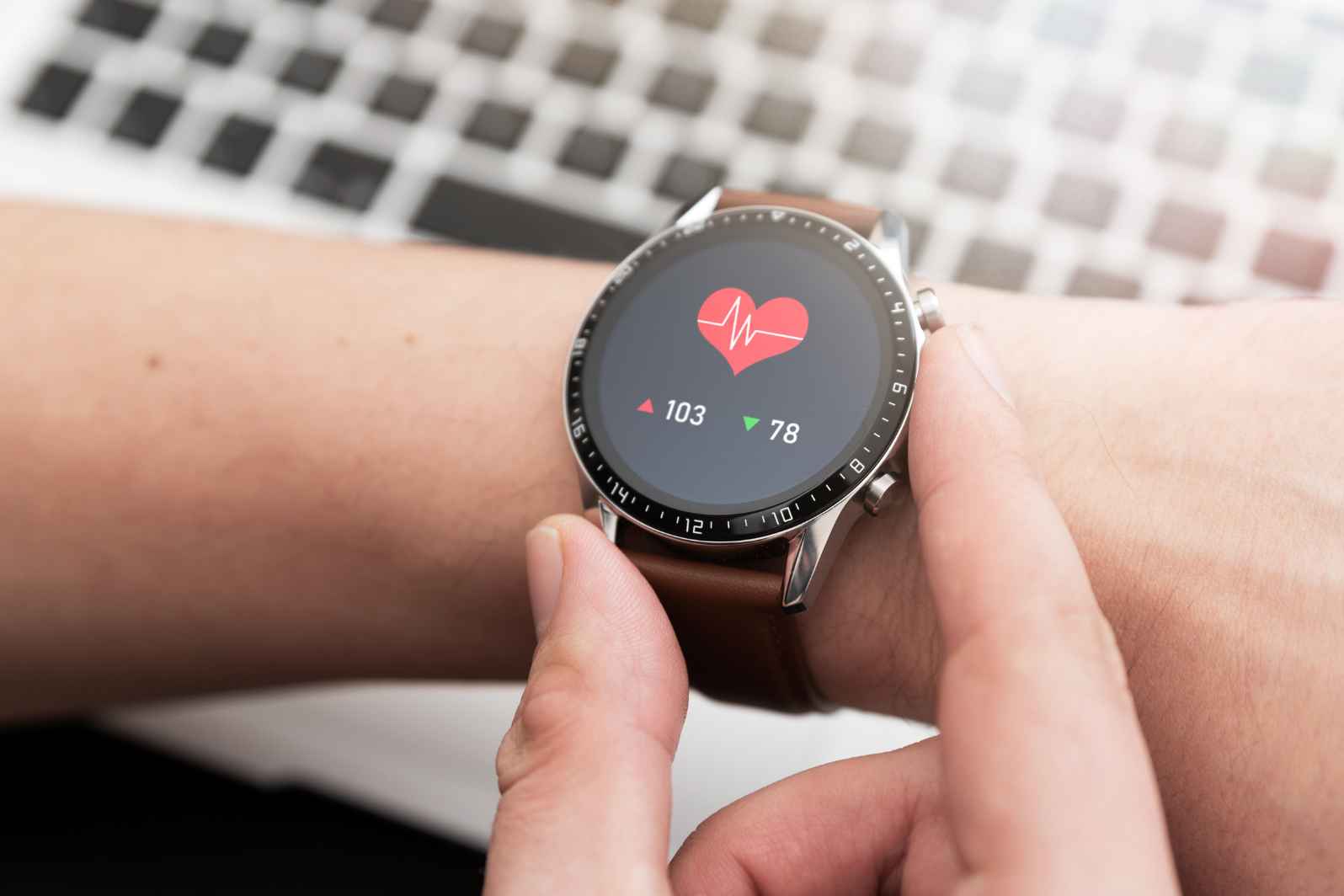
Technology has transformed the way we take care of ourselves. Fitness trackers, once derided as something only a fitness lover could love, are becoming tools of chronic disease management. These wristbands are mini-trackers, measuring everything from steps and sleep to heart rate, calories and even oxygen levels. When used thoughtfully, they enable patients and doctors to more closely track conditions and make better lifestyle choices.
In this paper we will further discuss the role of fitness trackers for the management of chronic diseases, and the associated benefits, challenges, and future work.
Why Wearables Belong in the Management of Chronic Disease
Chronic conditions such as diabetes, heart issues, obesity and high blood pressure require ongoing attention. Unlike acute diseases, these conditions persist and require continuous monitoring. To see how things are going, patients usually have to travel to hospitals. But it’s easily minimized these days, with fitness trackers and daily monitoring. The information gathered could help patients make better decisions and can also steer doctors in their treatment.
Key Benefits of Fitness Trackers in Disease Management
1. Continuous Monitoring
Patients can track their health daily with the help of fitness trackers. For instance, activity can be monitored to regulate blood sugar levels for a diabetic.
2. Early Warning Signs
Many trackers deliver warnings when heart rate or oxygen levels exceed safe thresholds. This advance warning keeps away emergencies.
3. Better Doctor-Patient Communication
Trackers save the kind of data doctors can access. This can help doctors learn about lifestyle habits and develop a precise treatment plan.
4. Motivation for Patients
Trackers also motivate patients to stay active through step goals and activity reminders. Small achievements keep patients motivated.
5. Cost-Effective Healthcare
Regular monitoring minimizes the hospital visitation requirement. This makes it more efficient, and less expensive for patients with chronic conditions.
Use Cases of Fitness Trackers in Chronic Diseases
1. Diabetes Management
Fitness trackers help monitor physical activity, which directly impacts blood sugar control. Some devices also link with glucose monitors for real-time insights.
2. Heart Disease and Hypertension
Trackers measure everything from heart rate, stress levels (in some advanced models) and blood pressure. They help make patients aware of abnormal trends and let them take early action.
3. Obesity and Weight Management
Counting calories, steps and sleep helps patients stick to healthier regimens. This is essential in the prevention of obesity and associated diseases.
4. Respiratory Conditions
Some instruments track levels of oxygen and patterns of breathing. It’s good for people with asthma and COPD.
5. Sleep Disorders
Sleep monitoring functions will enable the users to find out their bad sleep cycle which could likely worsen chronic diseases.
Challenges in Using Fitness Trackers
Fitness trackers have proven valuable, but they have limitations:
- Accuracy Problems: Some trackers are not going to give you numbers that you can take to the doctor.
- Overloaded by Data: Patients could be overwhelmed with data.
- Privacy issues: Storing private health records opens up a security risk.
- High Price Tag: Not everyone can afford high-end activity trackers.
- Technology Barrier: Older patients may experience challenges while operating these devices.
Future of Fitness Trackers in Healthcare
The future looks promising. Companies are developing trackers that can track blood sugar without pricking, give early warnings of irregular heart rhythms and may soon even predict health problems before they increase in severity. If it’s better integrated into hospital systems, the fitness tracker could be a standard part of chronic disease care before long.
FAQs:
Q1. Can Apple Watches replace your doctor?
No. They are support tools, not substitutes. They provide information that can help doctors make better decisions.
Q2. Are fitness trackers precise enough for medical use?
Entry-level trackers might not be very accurate. But models that have been approved by health authorities tend to be more accurate.
Q3. What motivates patients to use a fitness tracker?
They offer prompts, daily goals and “earned achievements” that motivate patients to remain active and keep up with their routines.
Q4. Do older adults find fitness trackers easy to use?
It may take some time to get used to, but there are user-friendly models with basic displays for older users.
Q5. Is there a risk to data privacy when it comes to fitness trackers?
Yes, because the trackers contain sensitive health information. Patients ought to stick with reputable brands that have strong data security, Dr. Glowacki said.
Conclusion
Fitness trackers have become more than just gadgets for fitness fanatics. They are emerging as effective tools in the treatment of chronic conditions. Through ongoing monitoring, earlier alerts and enhanced doctor-patient communication, they help people live healthier lives. While certainly not without barriers, the outlook for wearable health technology is promising.