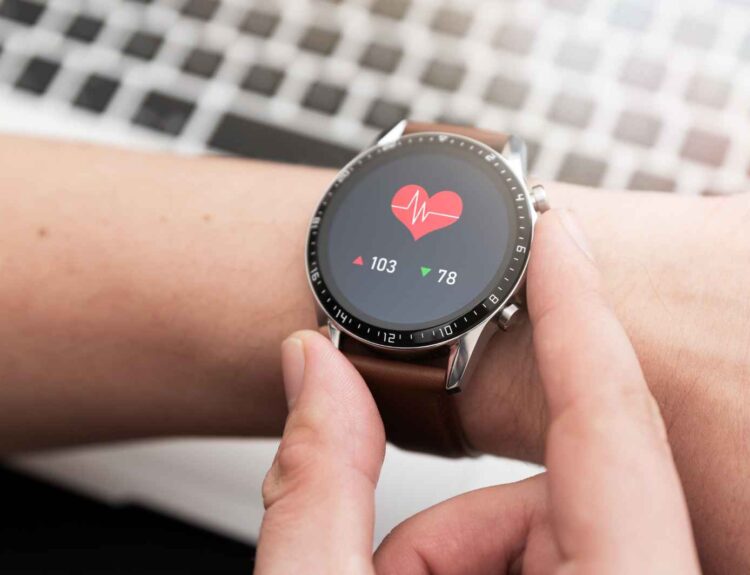
In this day and age, health and technology are inseparable. Apps, smartwatches and fitness trackers are monitoring users’ sleep habits, heart rates and activity levels around the clock. Hospitals are also taking the digital route with patients being able to check their medical records online. But the data alone is not sufficient. Patients need to know how to interpret it. And this is where digital health literacy plays a role.
Digital health literacy is the ability to read, understand and use digital health information. If people can learn how to read their data, they can make better decisions about their health and might even be able to prevent some diseases.
Why Digital Health Literacy Matters
Medicine isn’t just about doctors and drugs. It’s also a story of patients making decisions from day to day. A patient who has a grasp on his or her own data can better manage their health care. If a diabetic patient is throughout their day reading their blood sugar chart then they can make swaps in the diet and lifestyle quicker. This cuts down on hospital visits and enables them to live healthier lives.
Digital health literacy also contributes to the communication between patients and doctors. If patients know what their numbers are, they can ask better questions. This encourages clearer conversations and greater trust among the parties.
The Challenges Patients Face
Health data isn’t always easy for patients to read. Some may struggle with technology. For some, medical language can be alien. Common challenges include:
- Confusing medical language in reports
- Overload of numbers without explanation
- Difficulty using apps or portals
- Lack of guidance from doctors
Without this guidance, patients can either disregard their information entirely or misinterpret it. This can be bad for their health as well as good.
Teaching Patients to Read Their Personal Data
The need for better digital health literacy is something that everyone – from doctors and healthcare staff to even technology companies – must work toward. Some useful methods are:
1.Simplify the Data
Information on health apps and portals should be presented in easy-to-understand graphs and colours.” For instance, green may indicate normal, yellow warning and red danger. That could help patients take quick action.
2. Use Plain Language
Complex medical jargon should be avoided by physicians and authors. Instead of “ hypertension,” they can say “high blood pressure.” Plain language makes patients understand their health better.
3. Provide Training Sessions
Hospitals can hold small workshops to teach patients how to read reports, use apps or keep track of their health data. A little demo can go a long way even just in the short run.
4. Encourage Questions
Doctors should be advising patients to ask questions about their reports. A conversation is a two-way exchange and as well as empowering, helps patients to learn.
5. Use Digital Tools
Patients can learn in bite-size chunks through videos, infographics and simple how-to guides. A brief video on “How to read your blood test report” can go out to millions.
Benefits of Digital Health Literacy
When people learn to read their health data some of good things that come are:
- Better self-care and lifestyle choices
- Early detection of health problems
- Less Stress and Confusion About Reports
- Stronger patient-doctor relationship
- Lower costs of health care in the future
Technological Role in Health Literacy
Technology can have a massive impact on developing digital health literacy. A growing number of apps now send users alerts when they approach levels that are too high or too low. Health assistants based on AI describe the medical words in simple terms. Easy charts of daily progress in your wearable devices. These are tools that put them in charge of their health.
The Future of Digital Health Literacy.
With the increasing digitization of hospitals, health literacy will become more important. In the future maybe we’ll have AI assistants helping patients how to understand in real-time, virtual classes which educate families on data, or dashboards which personalise and explain health reports in plain language.
The purpose is simple: health data should serve patients, not confound them. A digitally health-literate society is a healthier people and a more robust healthcare system.
FAQs:
Q1: Definitions What is digital health literacy?
Digital health literacy is the ability to understand and act on digital health information, such as app content, reports and wearable device data.
Q2: What is the significance of digital health literacy?
It helps patients make smarter health choices, catch problems early and talk more effectively with doctors.
Q3: How will patients be taught to read their health data?
Patients can also take workshops, view basic tutorials and ask a doctor to explain reports in simple language.
Q4: Where does technology fit in health literacy?
Technology also includes graphs, reminders and AI-based explanations to make the health data understandable for patients.
Q5: If Yes, can digital health literacy decrease the costs of healthcare?
Yes. Health being improved better managed patients prevent hospital visits and, in the end, saves money.