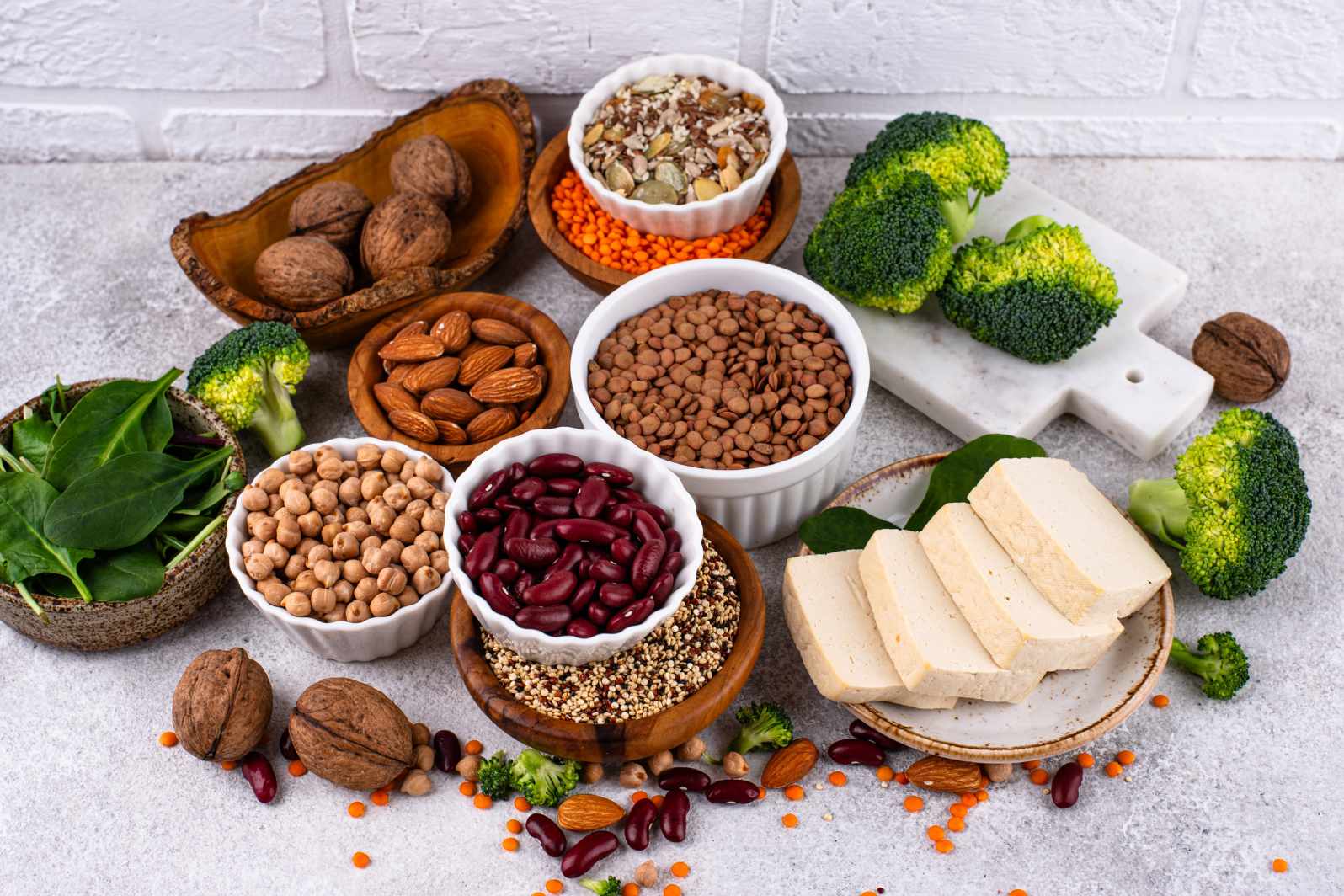
Over the last few years, plant proteins have entered into a powerful dialogue surrounding health today. Athletes and doctors alike are telling people to eat “real food” for the sake of their health and performance – and even for the betterment of the world. Preventive medicine is all about keeping people healthy by preventing them from being sick in the first place. Plant-based proteins fall exactly in line with this concept, providing advantages that shield the body from a wide range of health issues.
Why Plant-Based Proteins Are Powerfully Popular
Plant-based protein options include beans, lentils, soy products, nuts and seeds, peas and whole grains. They contain plenty of fiber, vitamins and minerals. They are low in saturated fat and totally cholesterol-free unlike many animal-based proteins. This makes them kinder on the heart and easier to digest.
The growing interest in plant-based eating is also linked to worldwide concerns. They are selecting these proteins because of the environmental imperatives, including protecting the planet and lowering greenhouse gas emissions, as well as living healthily. With this awareness, even preventive medicine has begun to tie in between diet and prevention of diseases.
Plant Proteins and Chronic Disease Prevention
Heart Health
Plenty of red meat and processed meat is associated with heart trouble. Plant-based proteins, meanwhile, reduce bad cholesterol and help maintain blood pressure. Add soy protein, which has been proven to decrease the risk of heart disease when consumed as part of a daily diet.
Diabetes Management
Plant proteins provide slow-releasing energy due to being fibre-attached. This slows down the release of glucose into the bloodstream, and helps to prevent spikes in blood sugar levels, which could be useful for diabetes type 2 management. Lentils, beans and chickpeas are particularly good for stabilising sugar levels.
Cancer Prevention
Diets that include plant proteins are purported to lower the risk of some cancers. The natural fibre helps promote healthy digestion, and antioxidants in nuts and seeds help combat free radical damage to the body. A diet full of plants is an anti-inflammatory way to go, and inflammation drives the development of cancer.
Weight Control
Plant-based proteins tend to be lower in calories than animal proteins. They are more satiating, which means people feel fuller longer and therefore consume less food overall. The prevention of obesity is a crucial element in preventive medicine since additional weight is associated with the risk of development of many chronic diseases.
Plant Proteins in Modern Healthcare
Doctors are gradually beginning to incorporate advice about plant protein into preventive medical care. Nutritionists recommend eating less meat and more beans, soy or pulses. Hospitals are even adding plant-based meals to help in recovery and improved overall well-being.
Powdered plant proteins derived from peas, hemp and brown rice are gaining traction with fitness enthusiasts. They provide all the advantages of protein without any of the risk associated with animal fat. This reflects the trajectory of preventive medicine transitioning to food as therapy.
Cultural Shift and Lifestyle Changes
The secular population of India has never had the luxury of exclusively eating animal-based protein. Healthy dals, chana and even soy variety as tofu when taken in moderation are great protein-rich foods. With the increasing lifestyle diseases now people are returning back to these natural foods. This is part of a larger cultural shift that is happening all over the world. And restaurants and food companies are giving us more plant-protein options all the time, from soy milk to mock meat.
Challenges in Adoption
Which brings us to plant foods. These offer all sorts of health benefits, but their protein quality does concern some people. Unlike most meat, some plant proteins are missing one or two essential amino acids. But the problem can be corrected by combining various plant proteins, like rice and lentils. This balance ensures complete nutrition.
The Future of Plant-Based Proteins in Preventive Medicine
The future seems clear as further research demonstrates the antigerminal plant proteins ability to prevent disease. Governments and health organisations are promoting plant-rich diets. With greater awareness, plant proteins will have a staying power more than a trend and become an integral part of preventive medicine.
FAQs:
Q1. Is plant-based protein enough for a daily diet?
Yes, including between plant with appropriate combinations like rice and lentils, plant proteins can supply the full range of amino acids necessary to health.
Q2. Will palatable plant proteins replace meat entirely?
Yes, there are lots of people who live healthy lives as vegetarians or vegans. But eating balanced meals will take care of the rest.
Q3. Which type of plant protein is the healthiest?
Soy, lentils, beans, chickpeas and nuts are some of the best plant-based proteins for your health.
Q4. Are plant proteins good for weight loss?
Yes, plant proteins are also filling, low in fat and help with overeating which can aid weight loss.
Q5. Is plant protein safe for kids and old folks?
It is safe for all ages right? It actually aids in digestion, and general health.