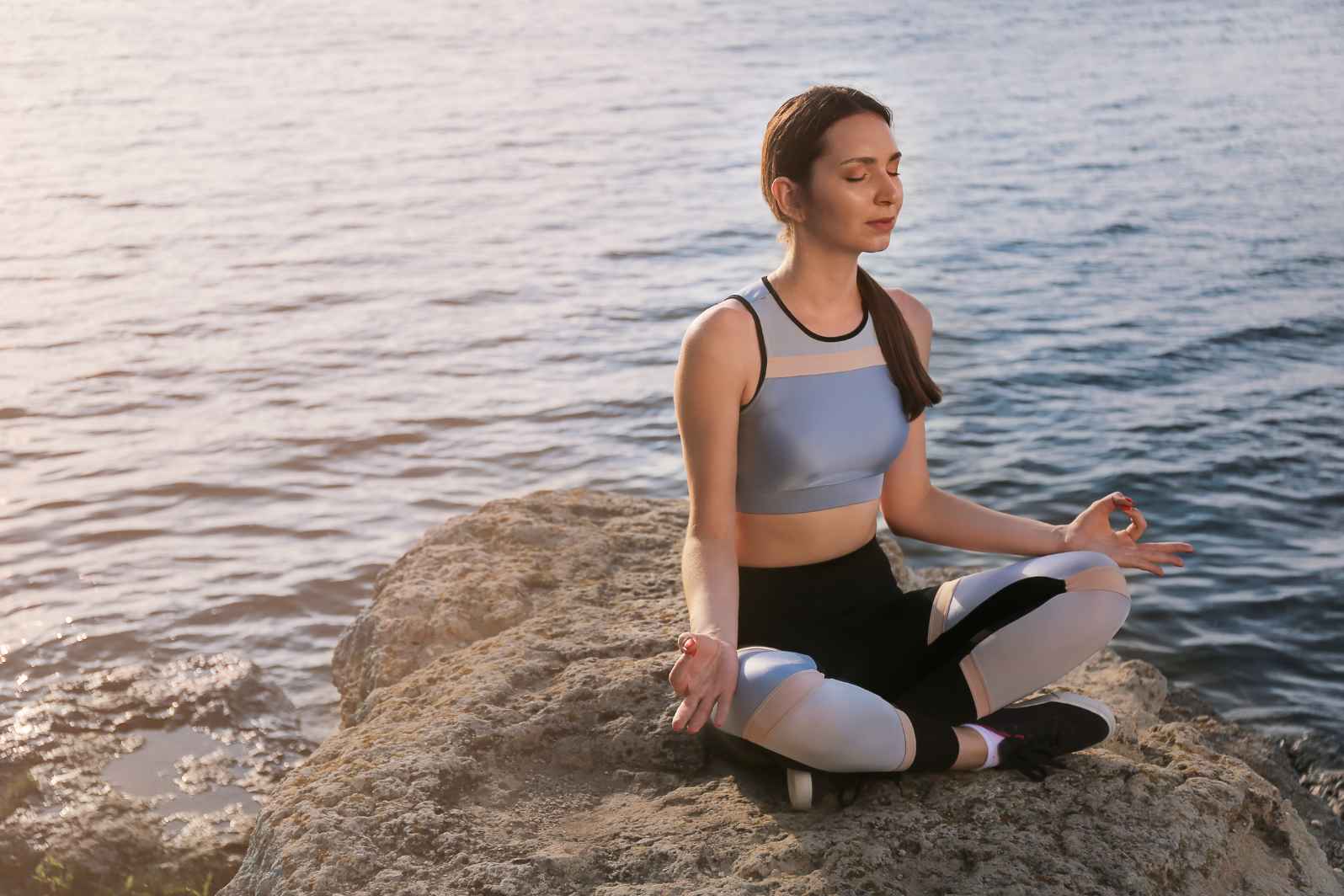
During the busy modern day, many people spend far too much time indoors. Working long hours, staring at a persons computer per day and living in the city has disconnected us from nature. But getting closer to the natural world also has impacts on our health that may be less expected. This is also known as nature therapy or eco-therapy. Now researchers around the world are measuring how bouts of similar outdoor activities – nature walks, regardless of weather; a day at the beach; a stroll in a park; time spent in backyards, or even on a balcony – can measurably change our mental and physical health.
What is Nature Therapy?
Nature therapy is the process of reconnecting with natural environments to heal the mind and body. This can be forest bathing, gardening, meditation on the river or simply sitting quietly in green spaces. It doesn’t involve pills or machines, unlike traditional therapy. Instead, it leverages the relaxing effect of nature to help take away the stress, balance your emotions and improve overall health.
The Science Behind Outdoor Wellbeing
Scientists have discovered that spending time in a natural setting can decrease cortisol, the hormone produced by stress. It can also lower heart rate, decrease blood pressure and fortify the immune system. Research from Japan on Shinrin-yoku (forest bathing) demonstrates that people who spend time in forests feel more relaxed and happier. Being in nature also gives our brain a rest from all that screen time, and helps us focus better.
Mental Health Benefits
- Stress is Reduced – We all know that a walk in the park with lots of fresh air and sunshine not only lowers our anxiety but relaxes us too!
- Boosts Happiness – Engaging in outdoor activates the endorphines, your happy hormones.
- Improves Concentration – Both kids and adults concentrate better after being outdoors.
- Reduces Depression – Time in nature decreases loneliness, and feelings of despair.
Physical Health Benefits
- Stronger Immune System: White blood cell activity is boosted in nature.
- More Restful Sleep: Natural light exposure helps to regulate sleep patterns.
- More Power: Green spaces recharge your mind and body, so you’re less fatigued.
- Luxury of A Health: Safe exercise with healthy heart.
Quick Tips to Practice Nature Therapy
- Go for a half-hour stroll in the park every day
- Practice yoga outdoors
- Do gardening at home
- Meditate under a tree
- Schedule weekend hikes or picnics in green space
- Watch sunrise or sunset regularly
Even modest actions, like maintaining indoor plants or spending time near a window with a view of trees, can be worth taking.
Why Nature Therapy Works
Nature provides us with peace not always found in modern life. Green spaces increase tranquillity, aka reduction of noise, pollution and mental agitation. It’s actually an instinct in the human brain to be safe and happy in nature. This is because when we are in the vicinity of trees, water or even mountains, our body begins to release chemicals that help us feel peaceful and invigorated.
FAQs:
Q1. How many hours should I spend in nature each day?
Going outside for 20 to 30 minutes each day can reduce stress and boost mood.” The longer, the better could bring even more rewards.
Q2. Is nature therapy the doctor’s visit we need?
No. It is good for the heart and mind, though it should not be used in place of medical care. It is the most effective when used as a lifestyle practice with appropriate treatment if necessary.
Q3. Is gardening considered nature therapy?
Yes. Gardening links you to soil, plants and fresh air. It helps me to clear my mind out and is good for t he body overall.
Q4. Can nature therapy be practiced by city dwellers?
Yes. Even in urban areas, you can go to parks, plant trees, pot indoor plants or make a few weekend trips out of town into greener environs.
Q5. Can nature therapy work for children?
Yes. Children who play and learn outside tend to be more focused, creative and emotionally balanced.