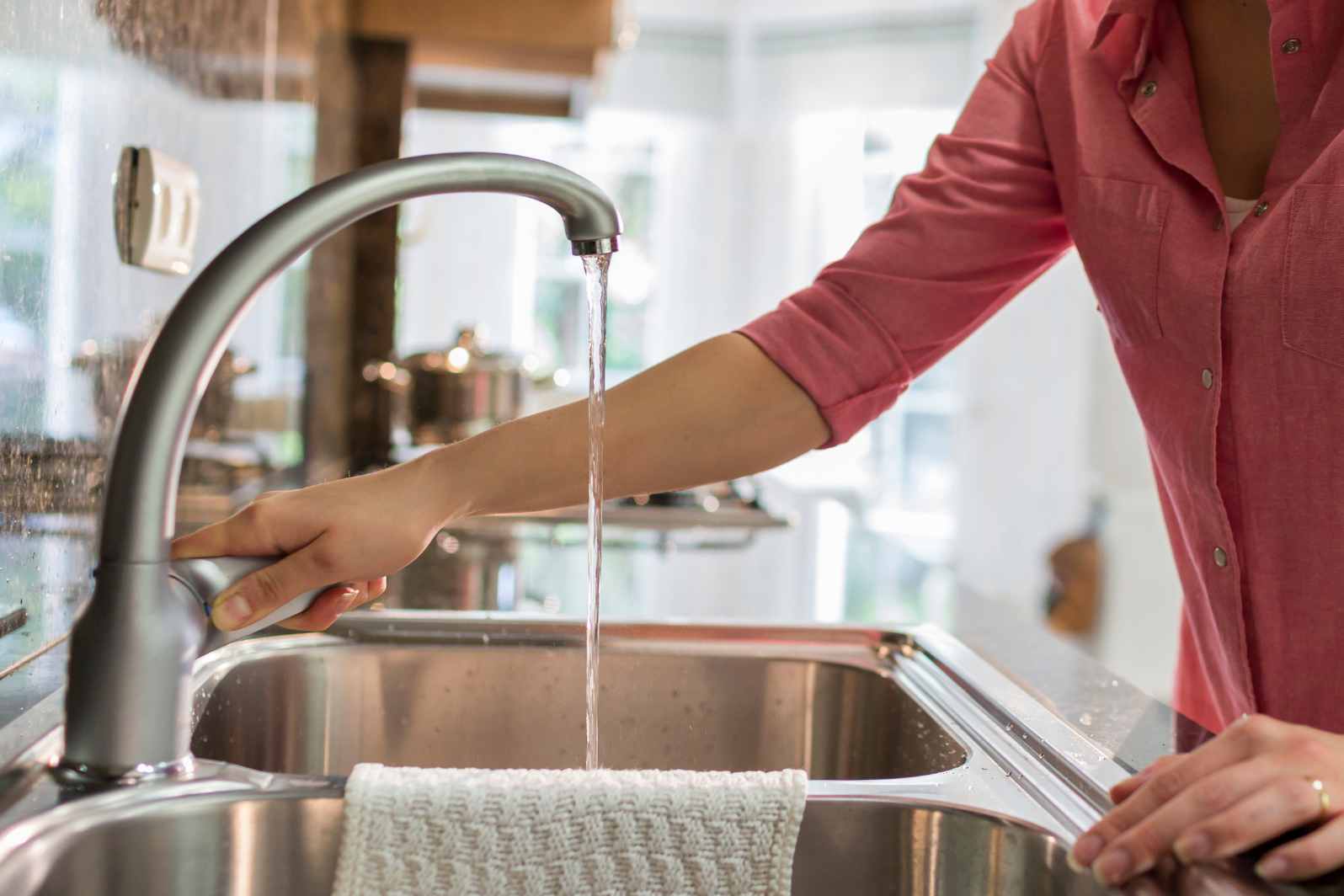
Water is our most precious resource. But in countless homes a lot of water goes to waste each day. Tiny leaks, old fixtures and thoughtless use often result in big waste. The good news is you can make a huge difference with some wise plumbing upgrades. Not only do these changes help the planet, but they also save you money on your water bill. So here’s a look at some of the most-effective water-saving tips that actually make a difference.
Why Saving Water Is Important
It is at water scare, no mater where you are. Every summer, India and many other cities across the world run out of water. Demand is increasing, and the problem is getting worse thanks to climate change. You help relieve the pressure on local water supply systems when you save water at home. You are also helping to sustain the future for the coming generations.
Plumbing Upgrades That Save Water
1. Low-Flow Showerheads
Old-school showerheads can suck down gallons of water in mere minutes. A low-flow showerhead will diminish the flow, while allowing you good water pressure. This simple upgrade can reduce shower water usage by nearly half. It is inexpensive and does not require skilled installation.
2. Dual-Flush Toilets
Toilets are among the biggest water guzzlers in any home. You can select between a light flush option for liquid waste and full flush for solid waste with the dual-flush system. This system cuts down on water waste without compromising performance.
3. Faucet Aerators
Faucet aerators are small, add-on screens that attach to the end of a faucet. They blend air into the water, which dilutes flow without cutting pressure. Installing aerators to bathroom and kitchen taps is a cheap alternative that will save you thousands of litres of water each year.
4. Fixing Leaks
WASTING water A dripping tap or leaky pipe seems a small thing, but it is the cause of tremendous waste of water. One of the easiest (and most effective) ways to save water is by routinely checking for leaks and making immediate repairs.
5. Smart Irrigation Systems
Plants and grass need water, of course, but the majority of old-school irrigation systems are nothing but water hogs. Advanced irrigation systems adapt watering to the weather and soil condition. They make sure plants receive not too much water.
6. Tankless Water Heaters
Old storage water heaters lose water while waiting for hot water to flow. An on‐demand hot water heater warms the water when you need it. That’s less water sluicing down the drain while you wait for it to warm up.
7. Greywater Recycling Systems
Greywater is the waste water from sinks, showers and washing machines. If you have a greywater recycling system, you can even reuse this water to flush toilets or hydrate plants. Although it costs an initial investment, you will save a great deal of water in the long term.
8. Rainwater Harvesting
Rain water collection systems harvest rainwater from rooftops and store it for later use. This water can be reused to clean, water your garden or even flush the toilet. It decreases dependence on the municipal water supply and saves money.
9. Pressure-Reducing Valves
We all want high water pressure, right? Though it may seem like a good thing, it actually results in waste and damaged pipes. A pressure reducing valve maintains water pressure at a reasonable level, and helps to reduce wastage of water and prolong the life of the plumbing system.
10. Water-Efficient Appliances
Washing machines and dishwashers that are water-efficient use much, much less water than older ones. Opting for appliances with a high efficiency rating is worth it in the long term.
Additional Tips for Saving Water
- Turn the taps off when you brush your teeth or shave
- Save and reuse RO purifier wastewater for cleaning or gardening.
- When applicable, bathe in a bucket and not with shower.
- Only run full loads in washing machines and dishwashers
These small behaviors, combined with plumbing improvements, can add up to savings.
Benefits of Water-Saving Plumbing Upgrades
- Lower water bills every month
- Energy savings as you use less hot water
- The keeping performance and longevity of plumbing system
- Contribution to environmental conservation
- Increase in Property value because of advanced, green systems
FAQs:
Q1. Can water-saving shower heads lower the water pressure?
No, act they do not: low-flow showerheads are engineered to provide good water pressure but use less of it.
Q2. How much water can dual-flush toilets actually save?
They can save up to 60% of the water used by older single-flush toilets.
Q3. Is rainwater harvesting expensive?
The prices vary based on the system size – a one-time investment that pays off in water bill savings.
Q4. Can I fit faucet aerators myself?
Yes, the faucet aerators are simple to install and don’t require a plumber.
Q5. Can I use smart watering on a small garden?
Yes, they’re good for little and big gardens alike by applying water on the basis of demand.