In a world driven by data and efficiency, what if you could predict the future? What if you could foresee a critical machine failure weeks in advance, simulate the success of a complex surgery before making the first incision, or optimize an entire city’s energy grid with pinpoint accuracy? This isn’t science fiction, it’s the reality being built today with Digital Twin Technology. In this article we will understand what a digital twin is and how it is changing the world as we know it.
What Exactly is a Digital Twin?
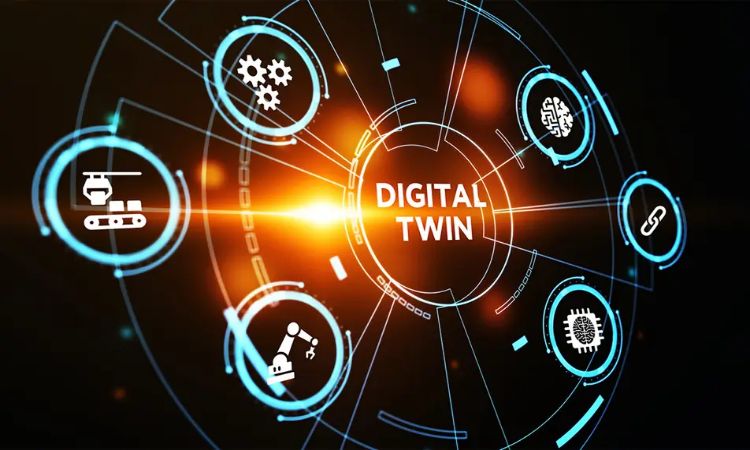
Lets say you have a machine running on the production floor of your company. But what if you had an exact digital replica of that same machine on your computer. One that knows everything about the machine in real-time. So when the physical machine heats up, so will the digital version of it. When vibrations increase, the virtual twin will reflects those changes immediately. This is exactly what the digital twin technology does for you.
So essentially, a digital twin is a live digital copy of any physical system that stays perfectly synchronized with its real-world counterpart. It shows you exactly what is happening with your equipment, systems, or processes at any given moment.
The Magic Behind the Technology
Digital twins are constantly learning and evolving virtual copies of the physical systems. With sensors scattered throughout the physical system, the data is fed to the digital version, creating a continuous conversation between the real and virtual worlds.
Artificial intelligence powers the whole process. The digital twin doesn’t just collect information; it actually gets smarter over time. It begins by recognizing patterns, predicting problems before they happen, and suggests ways to improve performance of the real world system. This is akin to having a really smart assistant who never sleeps and knows your equipment better than anyone else.
Where Digital Twins Are Making a Difference
The applications of this technology are versatile. Manufacturing companies are using these virtual replicas to spot potential equipment failures weeks before they occur. Car manufacturers test new designs in the digital world first, that saves them millions in prototyping costs.
The energy industry has particularly embraced this technology. Forward-thinking companies, like Ingenero, that implement AI-based digital solutions are discovering how digital twins can revolutionize equipment monitoring and maintenance scheduling. This help slash operational costs while minimizing environmental impact.
Healthcare is another exciting frontier where digital twin technology is helpful. Doctors are creating digital twins of human organs to plan surgeries more precisely. Some hospitals have even built digital replicas of entire patient systems to predict how treatments might work before trying them on the patient.
The Challenges Worth Mentioning
Creating accurate virtual models for making a digital twin requires tons of high-quality data, which can be expensive to collect and manage. There is also need of people who understand both the technology and the specific industry where the technology is supposed to be applied. Finding the right right resources is not always easy.
These digital systems contain valuable operational information that needs protection from cyber threats. This means companies must invest in robust security measures to keep their digital assets safe if they want to use this technology and avoid tampering and misuse.
By creating these intelligent virtual bridges between real and digital environments through this technology, companies can unlock opportunities for optimization and innovation that felt impossible just a few years ago. As more organizations discover the potential of this digital transformation, digital twins will likely become essential tools for staying competitive in an increasingly complex world.