This focus is not only important because our world is evolving rapidly, but also necessary to help keep students of today competitive once they are beyond the school and college years. These days, everything from mobile phones to medicine is technology or scientific thinking. Students require STEM skills because that is how the modern world functions and it keeps them prepared for future employment. As new sectors develop and new technologies come about, STEM education encourages the student to establish effective thinking skills and creativity as well as helps students become more confident when it comes to making choices of real life situations.
1. What STEM Education Really Means
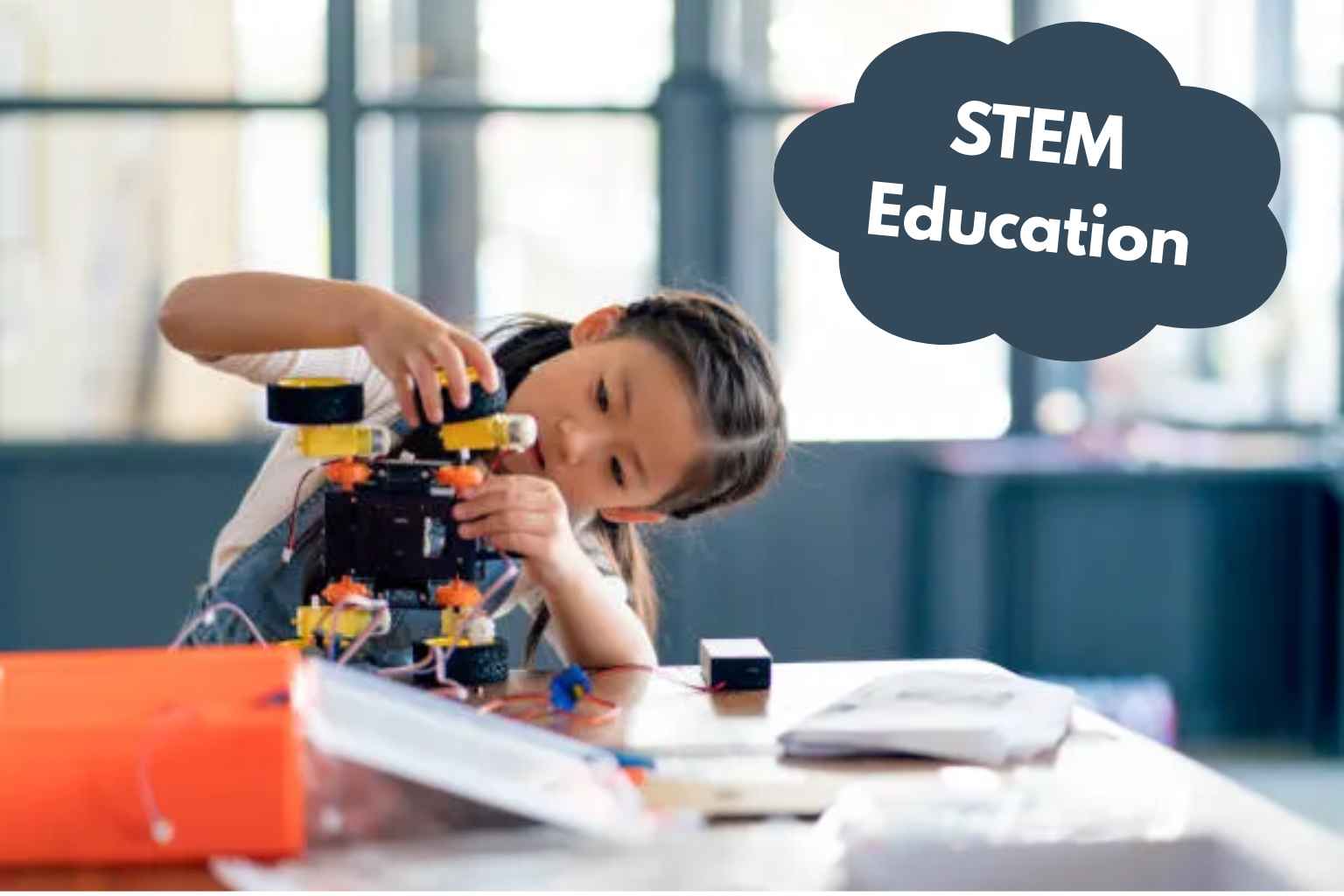
STEM education is a style of teaching that integrates science, technology, engineering and math. Instead of learning these subjects separately, students discover how they work together in the real world. For example, constructing a basic robot involves the rules of science, coding, math and design skills. STEM will fascinate our students because it focuses on hands-on learning, experimentation and exploration of ideas with a naturally curious attitude.
2. Why STEM Is Important in Today’s World
We live in a digital age. Nearly every aspect of our lives exists with help of technology whether it is online payments or smart home devices. Current jobs increasingly need basic digital literacy, and future jobs will demand even more advanced skills. That’s where STEM education comes in, teaching kids not just to push buttons on gadgets but to learn how they work so that they can use them fearlessly. It allows them to cope with changes and to compete in a technologically expanding world.
3. STEM Builds Problem Solving Skills
The Big Draw of STEM One of the greatest advantages to a STEM course is that it teaches students how to solve problems. They develop the ability to look at a situation, come up with possible solutions, test their ideas and refine them. This process actually helps them deal with adversity better. These problem-solving tools would be useful not only to technologists but also to anyone who’s faced with day-to-day activities such as organizing / task management and decision making.
4. STEM Encourages Creativity and Innovation
Many people equate STEM with numbers, formulas and machines. But STEM also encourages creativity. There are design projects, model-building and an opportunity to experiment with new ideas. But they discover that mistakes are an essential part of the progress and that improvement comes with practice. This kind of creativity prepares them to be the innovators who design new tools, apps, devices and solutions for real world problems.
5. Why STEM Is Growing Faster
Here are some important reasons behind the fast rise of STEM education:
- We need more technical and digital skills in other industries
- 78% of adults say digital learning tools are readily available
- Engineer/developer/researcher in high demand
- For newer areas such as AI, robotics, biotech and data science
- STEM-trained students launching into their career paths at a very high rate
These are the reasons that explain why STEM is now a focus in schools, colleges and training institutions.
6. STEM Helps Students Build Future Ready Careers
STEM professions include some of the most lucrative and steady work in the world. Engineering and medicine, space science and artificial intelligence: There are a host of careers begging for exposure to women through STEM education. Students with strong STEM skills can find careers in software, robotics, environmental science, biotechnology, aviation and architecture as well as industries that are seeing a lot of growth. Because STEM is a driver of innovation and economic growth, countries around the world are directing more resources into it.
7. Learning STEM is Fun Using Technology Tools
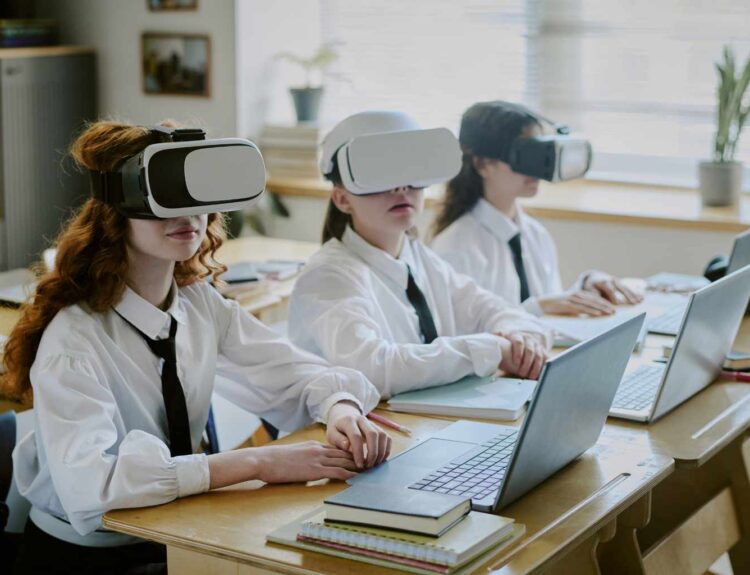
Today in classrooms, you’ll find STEM more fun because of the shift to technology where students are interacting with what they are learning. Students learn coding with basic apps, explore science with virtual labs and build projects using robotics kits that bring learning to life, as well as playing games that convey subjects in a fun way. Those tools strip away fear of the tough subjects and infuse students with confidence that they can do more, explore more. Learning becomes fun and students are more interested.
8. Challenges Faced While Learning STEM
Students can encounter difficulties in STEM education, even though there are many advantages. Here are the major ones:
- Inadequate science labs and equipments. Few models, charts etc. No practical work done.
- Untrained teachers in some schools
- Difficulty in learning complex concepts
- Scary or anxious feeling about topics such as math
When schools provide better resources and when teachers are properly trained, students will find studying STEM to be easier and more engaging. Addressing obstacles to success in STEM studies will mean more children can take full advantage of a STEM education.
9. The Relationship Between STEM And Life Skills
STEM learning is not only for jobs in the future. It also imparts life skills. It teaches students how to think critically, work in teams, plan a project, measure it and use logic. These skills serve them in routine things, such as scheduling their time well, comprehending their finances, solving basic household problems and using technology wisely. STEM also instills confidence, be cause kids learn how things work behind the scenes. This puts them more on their own and that makes them freer.
10. The Future of STEM Education
The future will rely on technology more than ever. Coding, robotics, AI basics and digital science would be taught as regular subjects in schools. Kids will use virtual tools, digital labs and whimsical STEM kits. A lot of future work doesn’t exist today, but it will require STEM skills. The earlier students learn STEM, the more ready and able they will be to adapt to emerging changes in the world. STEM education will mold the next generation of thinkers, solvers and innovators.
Key Takeaways
- STEM helps students build strong thinking and problem solving skills
- STEM learning is a jobs issue, with 75% of the fastest-growing occupations requiring STEM skills.
- STEM is about creativity and reality-based learning
- STEM students have better prospects
- STEM will dominate the future of work and education
FAQs:
Q1. What is STEM education?
It’s getting involved in and excited about science, technology, engineering, and math using real-world skills with artistic expression.
Q2. Can you tell us why it’s important for students to be learning STEM now?
It prepares them for jobs and helps them think clearly, logically and creatively.
Q3. Is STEM only for kids who are good at math?
No, STEM doesn’t like up its face with the lipstick of games and corner-project-experiments because everyone can enjoy those.
Q4. How can educators make STEM fun?
They can employ coding apps, robotics kits, group projects, experiments and interactive activities to pique interest.
Q5. What kind of jobs can STEM students go into?
They can work in engineering, medicine, software development, robotics, space science, data science, biotech and many other fast emerging fields.