Cities around the world are becoming increasingly crowded as each year goes by. Rising housing costs, finite space and growing population are driving people to reconsider the way they live. Micro-apartments have been one solution. These tiny, but thoughtfully designed houses are * actually* helping city dwellers lead more efficient lives.
What are Micro-Apartments?
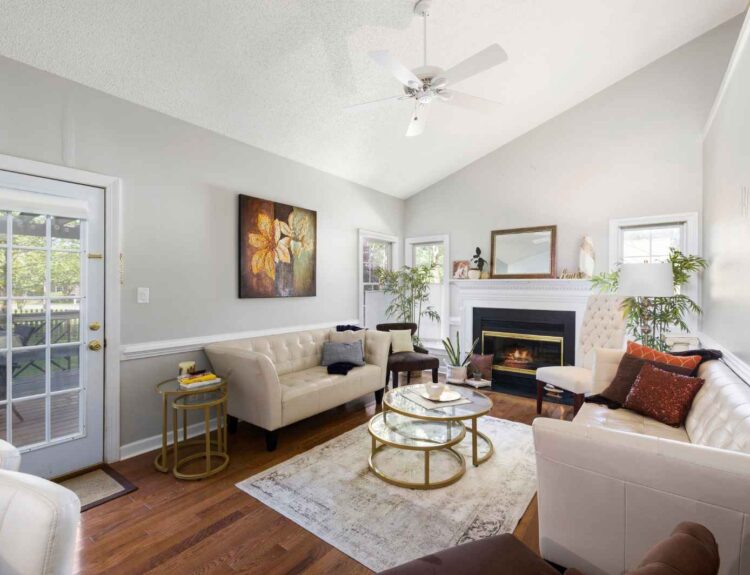
Micro-Apartments are small – typically 150 to 400 square feet Domiciles. Even though they are small, you get the critics to maximize every inch. These types of apartments have multi-purpose furniture options, clever storage solutions, and open layouts to make it feel more spacious. They are tiny but mighty!
Why Are Micro-Apartments Becoming Popular?
1. High Rent and Property Prices
In Mumbai, Delhi, Bangalore or flowy New York and flashy Tokyo – land prices are exorbitantly high. Not everyone has the means (or even the ability) to buy or rent a full-sized apartment, especially early in life. Micro-apartments are a cheaper way to live in the city without sacrificing urban cool.
2. Smart Use of Space
Architects are employing abstract designs to make the spaces in micro-apartments comfortable. Foldaway bedding, sliding walls and concealed storage packs the homes with both function and style.
3. Lifestyle Shift
Today greater value is placed on experiences than things. They are looking for a scaled-down, less-cluttered life. Micro-apartments are built for this way of living, concentrating on minimalism and efficiency.
4. Location Advantage
The majority of micro-apartments are in a city’s most desirable areas. They are much closer to offices, shopping centres, cafes and public transport for people living in them.
Benefits of Micro-Apartments
- They are cheaper: They cost less to buy or rent than regular flats.
- Easy to Clean: It takes less time and effort to go over a small space.
- Green: The smaller the area, the less amount of electricity, water and resources that are consumed.
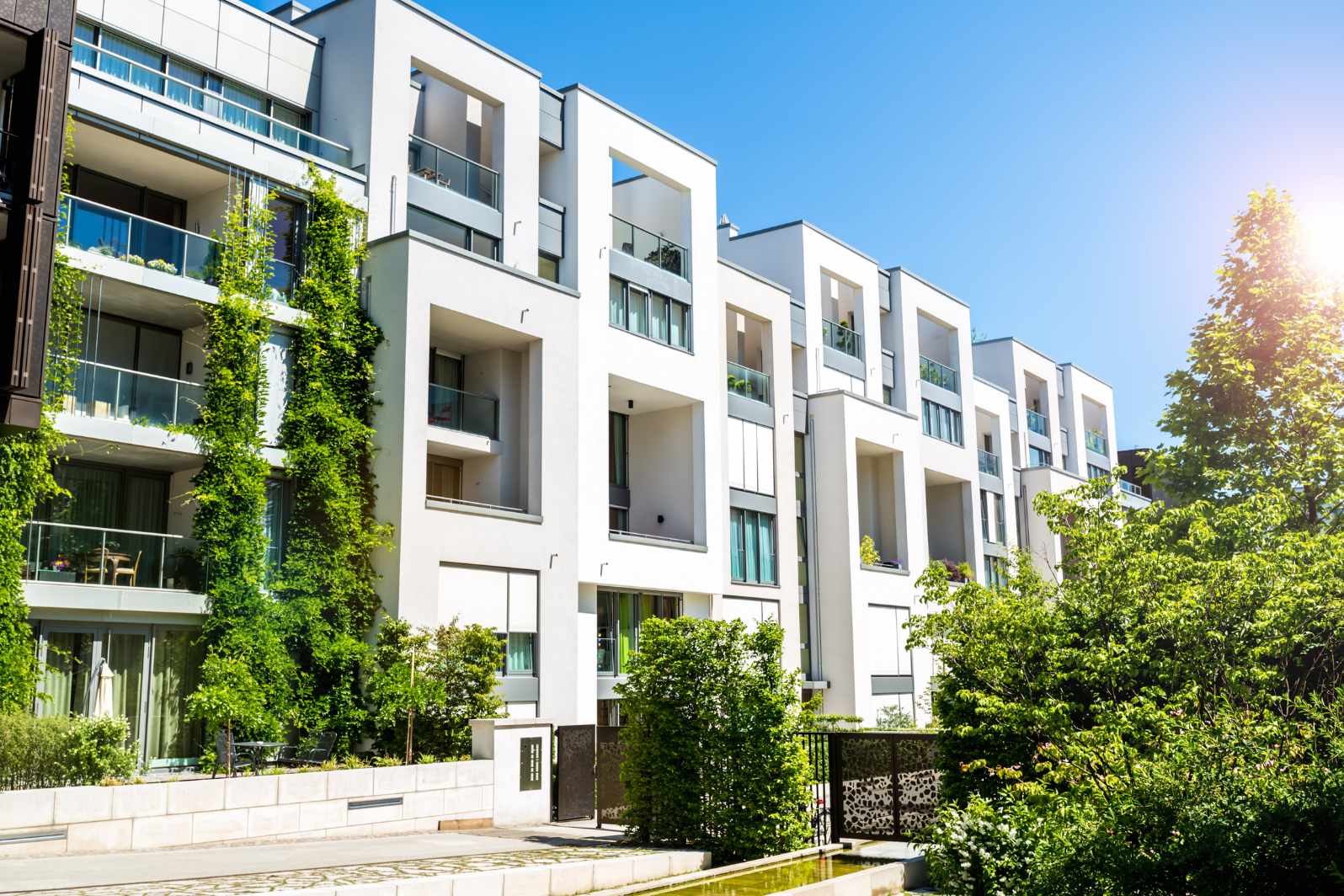
- Community Living: There is usually some version of communal area in micro-apartment buildings, whether it’s a gym, lobby lounge or rooftop garden to help promote socializing.
Challenges of Micro-Apartments
As with anything, micro-apartments have their downsides.
- Space constraint: For families, or those with a preference for abundant personal space, the apartments may feel cramped.
- Privacy Concerns: Sharing common areas with other tenants can be a nuisance some times.
- Storage Issues: Not everyone can get by with fewer possessions.
The Future of Urban Living
Tiny apartments aren’t just a fad. For modern cities where space is at a premium and housing prohibitively expensive, they’re an increasingly durable solution. By smart design, technology and community-focused buildings, micro-apartments will redefine urban living.
They’re not for everyone, but they work for students, young professionals and anyone who wants location over luxury – sometimes in a walkable town where regular people find it hard to afford housing. As cities boom, these compact homes might dawn a new era.
FAQs:
Q1. How big is a micro-apartment?
Most micro-units are between 150 and 400 square feet.
Q2. Are micro-apartments less expensive than regular flats?
Yes, they cost less to buy or rent than standard apartments in big cities.
Q3. Who is the micro-apartment for?
They are ideal for young working singles, students or couples in need of a small apartment in the heart of the city.
Q4. Do micro-apartments include furniture?
Some sites also offer built-in furniture including fold-down beds, modular kitchens and smart storage.
Q5. Are micro-apartments available in India?
Certainly cities like Mumbai, Bangalore and Delhi have begun to implement micro-apartments to try and address the need for affordable urban housing.