Designing a space, to make it both functional and welcoming, usually comes down to little details. The texture, the finishes, and the color that makes the space complete. Laminates are silent but significant inflections on interior appearance and texture. Polishing and protecting all furniture ranging from kitchen cabinets to office desks, adds personality to the interior. It is always advisable to anyone intending to renovate or engage in a new project to take a look at an elaborate laminates catalogue to make a choice.
Why Laminates Matter
Laminates have been included in contemporary interior design. They are durable, versatile, with numerous styles that could adhere to almost every aesthetic, be it minimalistic sleekness and cozy nullness. Laminates are affordable and simple to maintain, unlike natural materials like wood or stone. They are impervious to scratches, stains and moisture thus, they are best used in high traffic places such as kitchens and offices.
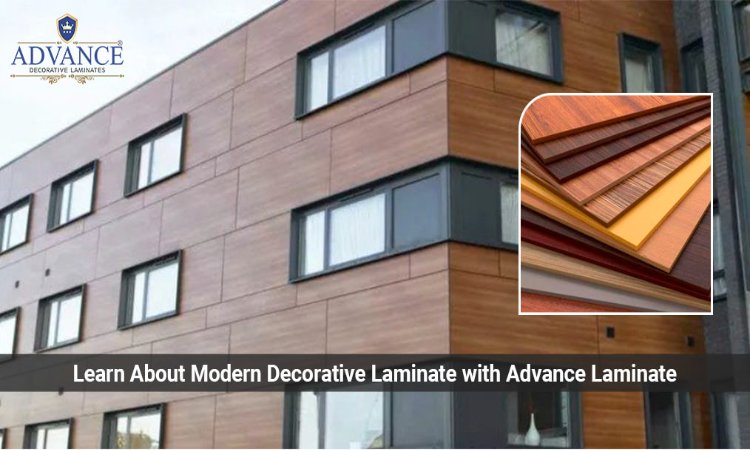
Laminates allow freedom of experimentation in addition to functionality. They have the ability to replicate wood grains, marble finishes or even metallic finishes. It gives homeowners and designers the ability to create a high-end appearance without the extra cost or maintenance issues.
Exploring Design Options
The variety of an extensive catalogue is one of the merits of referring to it. There are a variety of finishes to be tried with matte, glossy, textured, or high gloss, all of which are supposed to be used to match various moods and settings. It can be any pastel, light color to use in a bedroom wardrobe or it can be a deep, dark, walnut laminate in the office furniture. The correct laminate can create the visual impression of a space.
Function Meets Aesthetic
The design must not only look good but also must work out in the long term. Laminates are also made to withstand everyday wear, so they can be a reliable option when it comes to homes as well as commercial spaces. The top layer provides protection so that surfaces look smooth and fresh even years after usage.
Moisture resistance is also highly appreciated in wet regions like most parts of India. Laminates are also suitable for warping and swelling, which makes them suitable for the kitchen and even the bathroom.
The Convenience of Digital Catalogues
By increasing online resources, one can now visualise and shortlist finishes prior to visiting a store. A revised catalogue of laminates is an alternate method to compare textures, colours and usages next to each other. You can hunt through collections at your own speed.
A good example of how design discovery has been made more accessible is the online catalogues of Advance Laminates. They enable the customers to view new arrivals and comprehend specifications.
Developing Spaces with Personality
The right laminate would not merely be covering a surface, but would also have the ability of setting the tone of a whole room. Matte finish may be used to create a tranquil effect in a bedroom and a high-gloss texture may be used to make a small kitchen feel larger. Minimalism can be done in an office with a warmth of wood tones.
Thoughtful Design Choices
Laminates are adjusting to the modern times as the trend in the interior is changing. The affordability, the way they are styled, and their practicality make them continue to be relevant to both the homeowner and the designers.
Ultimately, design is all about harmony. Laminates when selected wisely can accomplish that feeling of harmony effortlessly. That is why, regardless of whether you are updating a part of your home or having a full-scale renovation, understanding the latest collections through catalogues may be the first step into making the space.