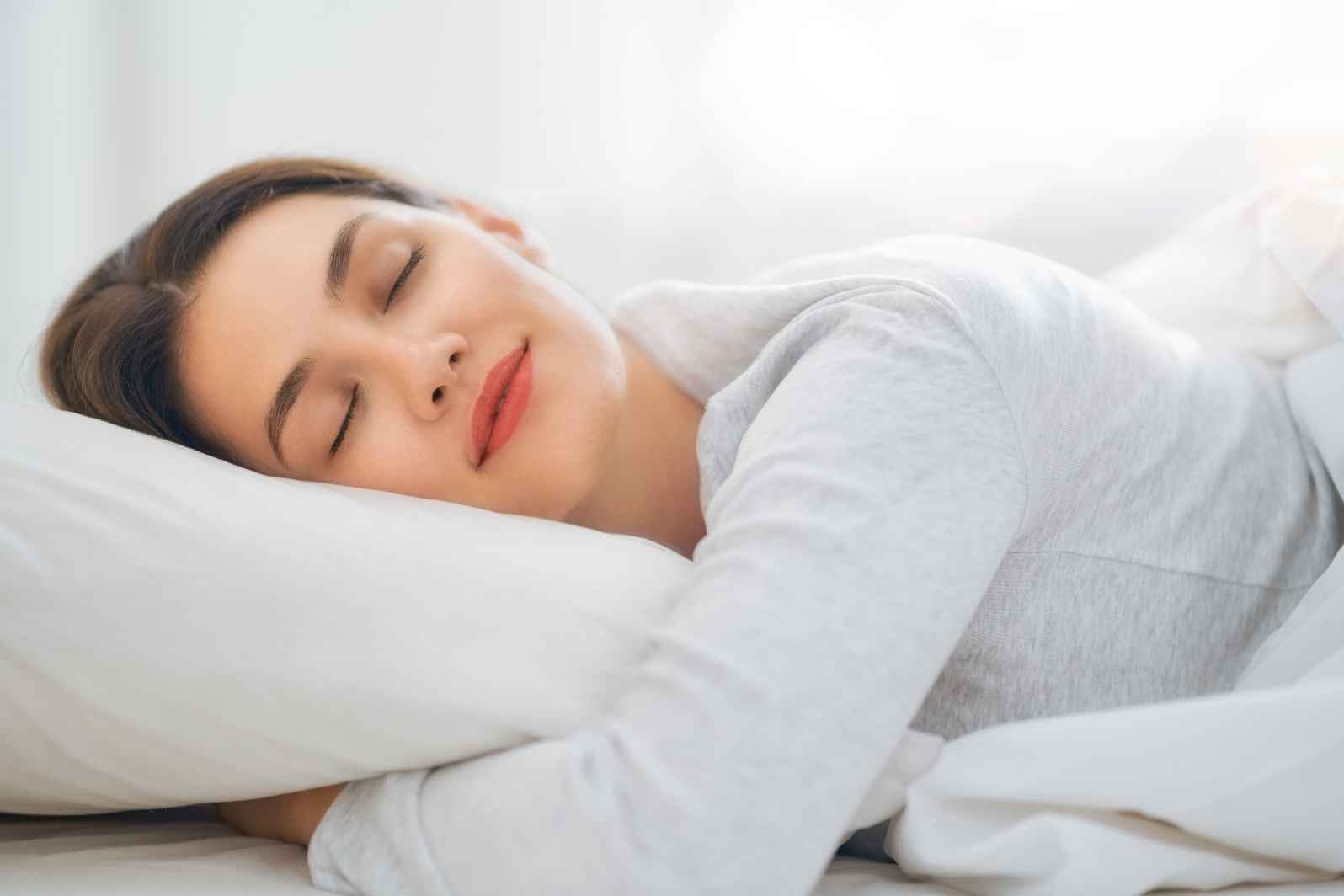
Good sleep is not a luxury. It’s something we must have for our body and mind to function optimally each day. But a lot of people have trouble getting that sleep, whether due to stress or busy schedules or poor habits. The good news is that you can enjoy sounder and better sleep, when armed with the right habits, judicious use of technology and science know-how.
Why Sleep Matters
Sleep is the time your body heals and your brain organizes memories. It rebalances your hormones, it supports your immune system, it keeps you focused. You may feel tired, grumpy and worried and are even more at risk of health issues such as diabetes and heart disease.
Habits for Better Sleep
The foundation of sleep optimization is developing good habits. Here are some simple habits that produce outsized returns:
1. Keep a Regular Sleep Schedule
Develop a regular sleep pattern by going to bed and rising at the same time every day, even on weekends. This teaches your body’s internal clock.
2. Create a Bedtime Routine
Relaxing activities that soothe the mind before bed. Reading, light stretching or meditation are great ways to get your body ready for sleep.
3. Limit Screen Time
Your brain is being tricked into staying awake by the blue light emitted from your phone and laptop. Make a conscious effort to avoid screens at least an hour before you go to bed.
4. Watch Your Diet
DO NOT have large meals, caffeine and alcohol close to bedtime. Instead, try warm milk or herbal tea if you need something light.
5. Make Your Room Sleep-Friendly
A dark, cool and silent room is good for sleep. If necessary, use blackout curtains, earplugs or white noise machines.
Technology That Helps Sleep
These days, dozens of tech tools claim to enhance sleep. And when used thoughtfully, they can help you rest better.
- Sleep Tracking Apps: Track your sleep cycles and get an insight into your sleep patterns using the apps.
- Smart Watches and Bands: Gadgets such as Fitbit or Apple Watch monitor sleep and can wake you up gently with vibration alarms.
- White Noise Machines: These help drown out external noises and provide a peaceful atmosphere.
- Smart Lights: With lights that both dim in the evening and replicate sunrise in the morning, you can influence your body’s natural rhythm.
The Science Behind Better Sleep
Why they work Sleep science explains why some habits and devices are effective. Some key insights are:
- Circadian Rhythm: Your body’s built-in 24-hour cycle Hijacking them means we create a mess, even if it is for the greater good. Exposure to daylight and darkness during the day and at night helps it remain in equilibrium.
- Sleep Stages: Your body experiences light sleep, deep sleep and REM (dream) sleep. And healing, memory – they all think in stages.
- Melatonin: It’s a hormone that regulates sleep. The production of melatonin is increased by darkness and decreased by light. And that’s why a dark room is also important.”
Putting It All Together
Good sleep is about balance. Apply healthy behaviors on a daily basis, involve technology if it’s helpful and know the science of ultimate recovery: sleep. Little things like a set sleep schedule, less screen time and a quiet bedroom can make a big difference to your energy and health.
FAQs:
Q1. How much sleep do adults need?
The optimal healthy amount of sleep for most adults is 7 to 9 hours each night.
Q2. Do afternoon naps affect the sleep at night?
Short naps of 20-30 minutes are okay. If you nap for a long time, it can become more difficult to fall asleep at night.
Q3. Are sleeping pills safe?
Sleeping pills must be obtained by prescription from a physician. They are no panacea.
Q4. Does exercise improve sleep?
Yes, regular workouts promote better sleep. But go easy on late-night workouts.
Q5. Can stress cause sleep problems?
Yes, stress is one of the culprits for bad sleep. Relaxation techniques, such as meditation or deep breathing, may help.