From time immemorial, human life has valued healthcare as the top-most priority. But access to good doctors and care is still not equal around the world. For people living in small towns, villages or developing countries the challenge can be in finding appropriate care. Telemedicine is changing this. It is connecting doctors to patients, no matter where they are. Aided by the internet, mobile devices and digital tools, telemedicine is filling in these gaps in global health care.
What is Telemedicine?
Telemedicine is providing health care services using technology. It enables patients to chat with doctors online via video or phone call. Advice, diagnosis and even prescriptions can be delivered without people stepping into a hospital. It’s a time-saver — and looks to save money (and travel) as well. In other words, telemedicine brings health to your fingertips.
Why is Telemedicine Growing?
There are plenty of things contributing to the rise of telemedicine:
- Internet and smartphones: Larger numbers of people now have Internet access as well as smartphones, even in rural areas.
- Fast-paced life: Everyone needs prompt and convenient health solutions, minus standing in long queues.
- Pandemic effect: The coronavirus made telemedicine routine, while physical visits were dangerous.
- Cost saving: Online consultation is cost-effective compared to hospital visits.
- Superior technology: High-resolution video calls, secure apps and artificial intelligence tools are making telemedicine reliable.
Key Telemedicine Trends in 2025
Telemedicine is no longer limited to video calls. There are many emerging technologies that are influencing the future of digital health.
1. AI and Chatbots in Healthcare
Artificial Intelligence is enabling doctors to provide faster, more accurate advice. Chatbots can answer basic health queries, remind patients to take their medicines and steer them out of emergencies. AI can also look at reports, such as X-rays or blood tests, to help doctors.
2. Remote Monitoring with Wearable Devices
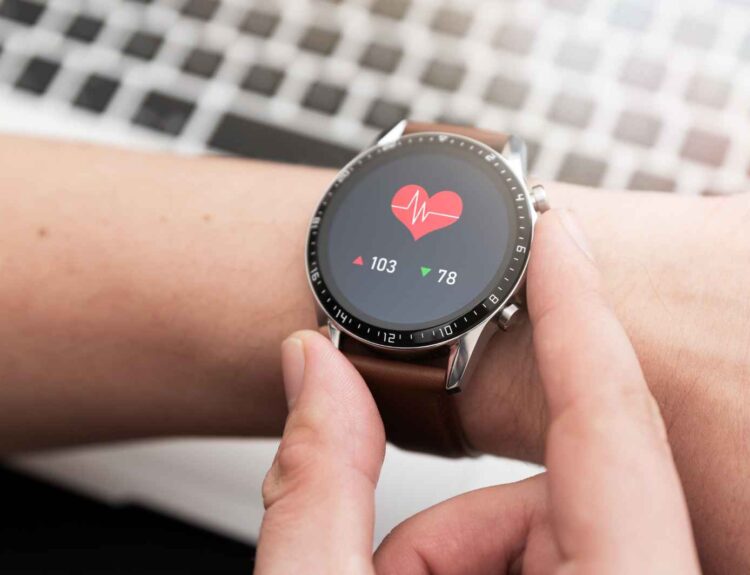
Fitness bands, smartwatches and digital sensors are monitoring health in real time. They can calculate heart rate and sugar levels, blood pressure and even hours of sleep. Doctors can track patients remotely and intervene if something goes amiss.
3. Cloud-Based Health Records
The substitution of paper for digital health records. Patients are able to keep their reports on file and share them with any doctor in the world. This speeds up treatment and prevents duplication of the same tests over and over again.
4. Telemedicine for Mental Health
Mental health awareness is growing. Online counselling is now often preferred by many as it feels more private, and safer. So patients link up with a therapist or counselor over telemedicine platform quickly, avoiding the stigma and time suck of conventional therapy.
5. Virtual Hospitals
Some hospitals are now offering fully digital services. Patients can consult doctors, get lab tests at home, receive medicines through delivery, and track recovery online. These “virtual hospitals” are the future of healthcare.
6. Expansion in Rural Areas
Many developing countries lack hospitals and specialists in rural areas. Telemedicine is filling this gap. Governments and NGOs are deploying digital health centres where villagers can tap into city doctors.
Benefits of Telemedicine
Telemedicine has a number of advantages that mean it represents the future of health care:
- Access: Rural patients who would have needed to travel can easily reach the best doctors.
- Cost: It decreases the cost of consultation, transport and hospital stay.
- Accessibility: Patients can consult and ask a question at home any time.
- Speedier treatment: Speedy care can cut the lag in getting diagnosed.
- Continuity of care: Follow-ups can be done more easily online.
Challenges of Telemedicine
Telemedicine has significant advantages but also obstacles:
- There are some locations where internet quality isn’t great and, therefore, the service may suffer.
- Not every patient is at ease with digital tools.
- The physical examination is required for certain diseases.
- Privacy and data protection must be protected.
The Future of Telemedicine
Virtual visits aren’t just the latest temporary trend. It is defining the future of healthcare worldwide. With A.I., robotics and 5G, virtual care will only get better. More countries are enacting laws to encourage digital health care. Telemedicine will be about as common soon as going to a hospital. It would see to it that nobody is left behind wherever they live.
FAQs:
Q1. Is telemedicine safe for patients?
Yes, telemedicine is secure provided it is carried out via authenticated and secure sources. Security And Safety Of Patient Data Patient data should be safe and secure.
Q2. Can telemedicine replace hospitals?
No, but it can minimize hospital visits. Physical hospitals may still be needed for life-threatening conditions, serious cases, or emergencies.
Q3. Are online doctors’ prescriptions legitimate?
Yes, online doctors with licenses are able to give legitimate, electronic prescription through a variety of telemedicine platforms.
Q4. Is telemedicine accessible for rural individuals?
Yes, telemedicine is often cheaper than journeying to cities. Many governments and NGOs are offering it free or at low cost.
Q5. What’s ahead for telemedicine?
The future is bright. AI, wearables and virtual hospitals will in turn make healthcare faster, easier and more global.