Video games and entertainment are no longer the whole story about virtual reality (VR). Today, it has ventured into health care, with new approaches to treating mental health issues such as trauma and anxiety. Virtual Reality Therapy (VRT) is revolutionizing how people are learning to face tough emotions, fears and painful memories. It provides a protective enclosure in which people can confront their issues without real-world consequences”.
What is Virtual Reality Therapy?
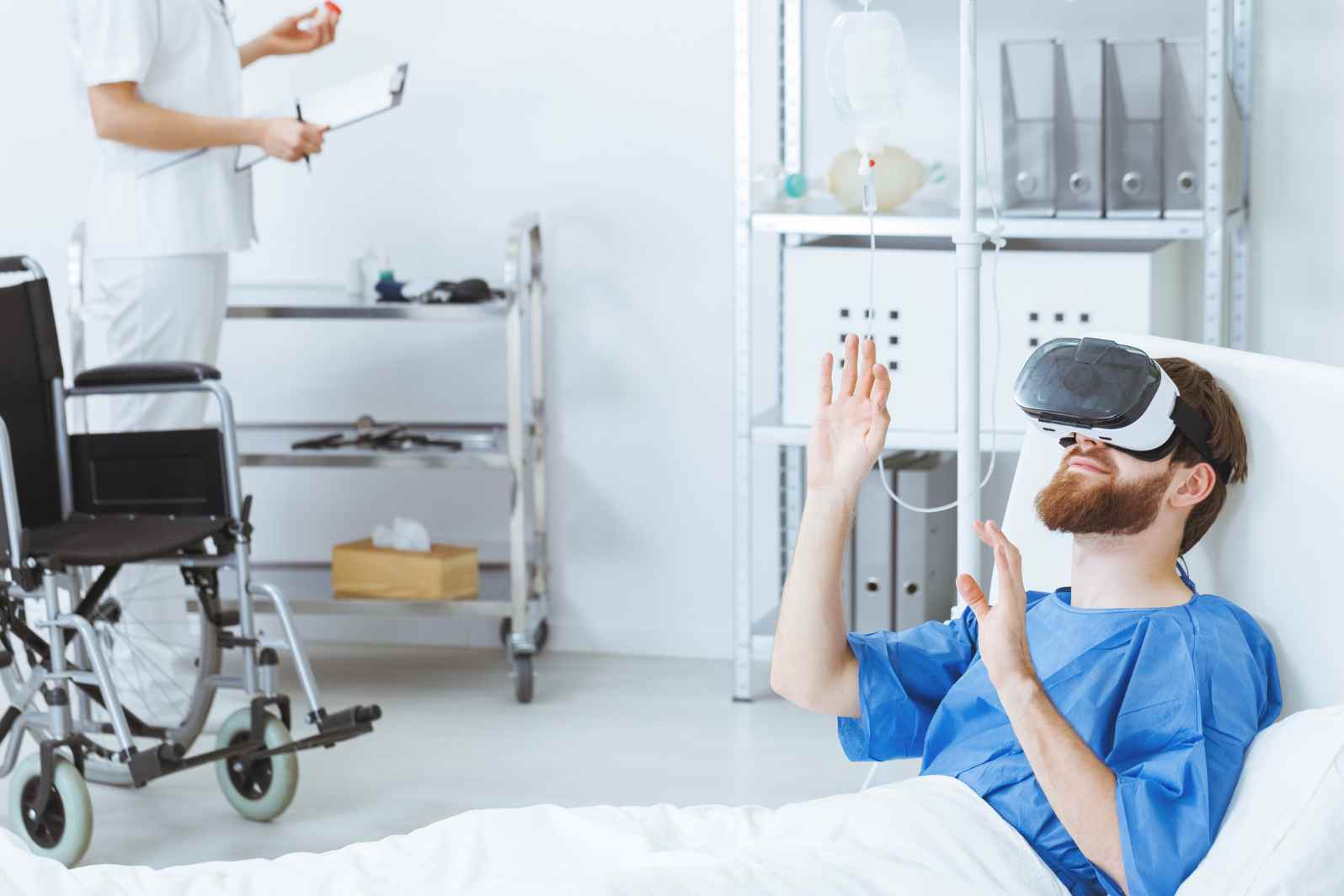
Capresearch.com Virtual Reality Therapy This is a treatment that uses VR headsets to put patients in a computer-generated world. In this realm, they can confront scenarios that could provoke anxiety or fear, but in a safe and monitored environment. For instance, a patient who is scared of flying could be seated in a virtual airplane and listen to the associated sounds and feel the sensation of takeoff, while being aware they are safe inside a clinic.
Therapists coach patients through these sessions and help them respond better to triggers. Over time the brain becomes better at handling fear and anxiety.
How It Works in Trauma Treatment
Trauma can bind people to memories of pain. Those who have experienced accidents, violence or war may playback the experience in memories. Having treatments that are traditional and take time, or struggle to talk about their experience.
Virtual Reality Therapy facilitates this process. It lets patients experience traumatic memories in small, safe portions. This is done gradually, with the therapist increasing the intensity according to what the patient can tolerate. Gradually, the brain begins to dampen the intense emotional response associated with the memory. This is exposure therapy, and VR has the ability to make it more successful.
Eg war veterans with Post-Traumatic Stress Disorder (PTSD) can be put into realistic battlefield situations. Guided by the therapist, they learn how to process emotion without panic.
VR for Anxiety Disorders
Anxiety disorders impact millions of individuals in the world today. it can take the form of social anxiety, phobia or panic attacks. VR is a practical way to confront these fears.
A person intimidated by crowds can rehearse giving a lecture in the virtual hall, to an audience. Someone afraid of heights can put themselves on a virtual office floor the hundreds of feet up imagined in a skyscraper and learn how to quietly remain there. Because the therapy is life-like, the brain reacts as though it’s occurring in real life. But unlike real life, the therapist can stop or reset the scenario at any time.
It is this freedom that gives patients confidence and makes the recovery more rapid.
Benefits of Virtual Reality Therapy
1. Non threatening environment – A patient can confront their fear without being in actual danger.
2. Intensity Control – Therapists are in control of the intensity.
3. Tailor-made Treatment – Each patient receives situations created around their individual fears.
4. Increased engagement – Some patients are more interested in VR versus traditional approaches.
5. Quicker Results – Exposure feels real, and results are generally seen sooner.
Challenges of VR Therapy
Despite the great promise of VR therapy, there are also some challenges. The pricing of VR hardware is still costly. It’s not one that every therapist is necessarily trained to implement effectively. Added to the mix is the fact that some may be a little queasy when using headsets.
Still, despite these barriers to entry, the research keeps coming up roses and as Gizmodo have reported in the past VR IS getting cheaper over time. It may become a routine practice in the future for mental health care providers.
Psychology; The future of mental health care
Virtual Reality Therapy is an emerging, yet already powerful healing method. Technology is evolving and it looks like VR will be accessible in every clinic or even at home, with professionals monitoring everything. It might also make mental health treatment more accessible, engaging and effective for people of all age groups.
FAQs:
Q1. Is Virtual Reality Therapy safe?
Yes. There is never a threat, even in VR therapy. The session is entirely controlled by the therapist.
Q2. Can VR therapy replace traditional therapy?
No. It is not an alternative to traditional therapy, but a supplement. It is most effective when given in combination with counseling and other treatments.
Q3. Who can use VR therapy?
It’s those suffering from PTSD, phobias, social anxiety or panic disorders who can benefit most from VR therapy.
Q4. How long does it take for VR therapy to work?
For some, the pace is slower. Some feel better within a few sessions; for others, it may take longer.
Q5. Do we have VR therapy in India?
Yes. A few hospitals and clinics in metro areas such as Delhi, Mumbai and Bengaluru have begun experimenting with VR for mental health treatment.